Opa hat den Geist aufgegeben.
Papa lässt mich am Tor
ein Papierpferd anzünden.
Meine Hand zittert,
erst beim dritten Mal brennt es.
Papa lässt mich rufen,
Opa steig aufs Pferd!
Ich rufe drei Mal,
Opa steig aufs Pferd!
Opa steig aufs Pferd!
Opa steig aufs Pferd!
The afternoon we hear from the earthquake,
we debate is an earthquake more scary,
or you sleep & a wind blows you out of a building?
There is no conclusion.
The unexpected thing in the end
is we don’t say we’re afraid,
we say
this is sad.
He has a sad air
like he needs for the script,
he is going to die in this part.
All the way till he really croaks,
down from the horse,
he’ll never reveal
who sat him up there.
All day
our ducks
swim together
with those from the neighbor
back and forth on the river.
At dusk
they climb on the shore
to walk back home.
My mother sees
one duck is missing,
goes to the neighbor to get it back.
She finds the duck
with a cut in its foot.
Our ducks
all have that hole
in their right feet,
so we know they are ours.
My mother did it with scissors.
My mom and I
talk about this today,
suddenly
there is a question:
Are there any nerves
in their feet?
I look online,
find no answer.
Walking along this camphor tree street,
shops all deserted.
There is a pair
talking in front of glass doors.
Male tells the female,
“don’t look down on a sweeping job,
at least there are flexible hours.”
I don’t hear what she answers.
There is the sound
of a broom on the ground.
I look over there,
don’t find any person.
There is a handle
on top of a car
going back and forth.
A wind comes up
through camphor tree branches,
dry leaves swirling down.
Gestern ist eine Freundin gestorben,
im fernen China.
Sie war eine gute Freundin.
Sie war aus Tianjin.
Sie hat mich dort
sehr herzlich empfangen.
Sie war in Wien,
sie war in Innsbruck.
Sie war Dichterin.
Sie war Juristin.
Sie war ein herzlicher Mensch.
Hat Leute im Kongo gekannt,
in der Ukraine.
Pang Qiongzhen war ihr Name.
Sie ist noch gereist,
hat eine Insel bei Japan gesehen
und ein Gedicht mitgebracht.
Nummer 120 von dieser Reise
oder von diesen Reisen.
Sie wollte nicht sagen,
was sie gehabt hat.
Sie war ein sehr freundlicher Mensch.
Und heute ist Ostern.
Am Mondfest verkühlt den Doktor bitten beim Testen sanfter zu sein.
Am Mondfest Familie Verwandte in Straßen und Städten unter Quarantäne.
Am Mondfest 33 Stunden 2000 Kilometer hin und zurück Schwiegereltern
besuchen und nah am Ziel Fehldiagnose, festgehalten, zurückgeschickt.
Am Mondfest heult Schwiegermama ununterbrochen Schwiegerpapa schweigt.
Am Mondfest 2000 Kilometer entfernt vom Sohn am Telefon verhandeln.
Am Mondfest 43 Jahre mit meinem Mann immer noch umeinander besorgt.
Am Mondfest Hand in Hand am Fluss unterm Mond Knie an Knie reden, Lilien riechen.
Am Mondfest fressen Hunde Mondhundekuchen, Katzen knabbern Katzenmondkeks.
Am Mondfest haben die Spinnen reiche Ernte in ihren Netzen unter den Lampen.
Am Mondfest springt ein Marder fröhlich aus hohem Gras auf einen Holzstoß.
Am Mondfest Vollmond über allen Dingen in allen Formen, Arten und Weisen.
Mein Schlaf in der Nacht,
ein Feld voller Schnee.
In der Früh aufgewacht,
aber noch nicht ganz wach,
bin ich ein Fuchs, der versucht,
mit der Nase im Schnee was zu finden.
Spät am Abend,
sagt mein Vater,
war er auf dem Berg an einem Teich,
hat beim Angeln zugeschaut.
Rund um den Fischteich
sind ein Dutzend Männer gesessen.
Er sagt, ihre Seelen
waren alle im Wasser.
Er sagt, das Angeln kostet 150 Yuan.
Er hat kein Ticket gekauft.
Er sagt, ohne Geld kann er auch angeln.
Denn seine Seele
sei mit den anderen Seelen zusamengewesen.
Zhu Jian IM KANNIBALENLAND GIBTS KEIN ERNÄHRUNGSPROBLEM
Die ganze Welt denkt an Ernährungssicherheit,
nur das Kannibalenland
hat kein Problem.
Man sieht sich gegenseitig
als Hauptspeise an
oder als Snack.
Jeder glaubt, der andere kann
seinen ursprünglichen
und echten Geschmack
aufrechterhalten.
Und wird die Kultur noch so raffiniert,
die Gene werden sich
nicht so schnell ändern.
Gentechnik
existiert nicht.
Alle können
unbesorgt essen,
alle sind
froh bei der Sache.
Nachdem unzählige
Wolkenpilze
jahrelang hochgestiegen sind,
schauen überlebende
Skelette
aus Augenlöchern,
pflücken
Giftpilze,
um ihren Hunger zu stillen.
2023.3.13
Übersetzt von MW im März 2024
Picture by Qizi
《蘑菇—旧作重写》
朱剑
在数不清的
蘑菇云
升起多年后
幸存的人
从骷髅的
眼眶中
采摘
毒蘑菇
充饥
(2023.3.13)
Picture by Qizi
Zhu Jian DES KAISERS ALTE FLICKEN
Der Kaiser hat nicht aufgepasst,
hat seine private Haut offenbart,
er bewahrte sein altes Untergewand
und trug es mit Flicken,
die Sparsamkeit war landesbekannt.
Die guten Minister und Untertanen
wollten alle Flicken tragen,
die Flicken wurden zur Industrie,
es wuchs und wuchs die Flickenmode,
die Flicken wurden immer teurer.
Ich war damals noch nicht geboren,
hab nur entfernt davon gehört,
hab zwar als Kind Flicken getragen,
aber wir waren
einfach arm.
2024-03-07
Übersetzt von MW im März 2024
Picture by Qizi
《皇帝的补丁》
朱剑
皇帝一不小心
暴露了自己的隐私
内衣穿破了舍不得扔
打着补丁继续穿
勤俭的美德天下传
忠心的臣民争相效仿
催生了一个专门给人
打补丁的新行业
补丁花样越打越多
价格越来越贵
我生也晚
只是耳闻没有亲历
小时候我也穿过
打补丁的衣服
单纯只是穷
(2024.3.7)
Picture by Qizi
Zhu Jian ALTE MEISTER
Nur von ihren Gedichten her,
von der Welt, die sie zeigen,
kann man überhaupt nicht wissen,
dass Du Fu und Wang Wei
Zeitgenossen waren.
Völlig verschiedene Wellenlängen!
Sie haben auch nicht gelogen,
sie waren jeder sich selber treu.
So wie wir vor zwei Jahren,
daheim isoliert, kontrolliert,
ich hab wie die meisten
kaum Reis und Gemüse online gekriegt.
Aber manche hattens gut,
man hat ihnen extra Essen geliefert,
sie waren so dankbar, haben sich überfressen
und auch noch geglaubt,
wer kein Essen hat,
der hat das erfunden.
Auf einem Begräbnis
vor ein paar Tagen
ruft plötzlich einer
überrascht meinen Namen.
Ein Mitschüler, als ich jung war.
Wir trinken zusammen,
es ist lange her,
ein paar Jahrzehnte.
Bei der Entfernung
muss man sich vorsichtig
näherkommen,
dann erst ganz aufmachen.
Als er kapiert,
ich bin Taxifahrer,
sagt er mit Verachtung im Gesicht,
er hört immer, Taxifahrer sind zäh,
sture Knochen.
An der Stelle im Tunnel
ist er beim Bau eingestürzt.
Fünf Arbeiter waren darunter,
sind nicht wieder aufgewacht.
Nach zehn Jahren,
jedesmal, wenn die U-Bahn durchgeht,
muss ich blinzeln und seh
fünf Seelen versuchen
die Betonschalen
bei den Fugen zu halten.
Und der Zug ist vorbei.
On an old city street in Fengnan,
I saw a fuse box by the road.
It was painted in red.
In the middle of the paint,
there were two characters in black.
Very striking!
Framing them with my phone —
One stroke is rather feeble
in the second character of “freedom”.
But it can’t be ‘confession’!
Freedom is such a famous word.
In einer Altstadtgasse in Fengnan
seh ich am Rand einen Stromkasten.
Der ist rot lackiert.
In der Mitte
sind zwei schwarze Zeichen,
die fallen ins Auge.
Mit dem Handy festhalten –
beim zweiten Zeichen von “Freiheit”
ist ein Strich nur ganz schwach.
Sieht fast aus wie “Geständnis”.
Aber das kann es nicht sein,
Freiheit ist so berühmt!
Der Pfirsichbaum im Hof ist voll beladen,
die Früchte werden jeden Tag röter.
Mein kleiner Bruder sagt,
das ist die Sonne.
Ich bin mir ganz sicher, das ist mein Blick.
Die zweite Tochter im Nordhaus,
wenn ich sie anschau,
sie wird immer rot.
Lauter Seemöwen auf dem Wasser,
überall Möwengeschrei in der Luft,
jetzt weißt du genau,
es ist Frühling!
Fische und Shrimps kommen herauf,
die Möwen halten das Wasser besetzt.
Übersetzt von MW im März 2024
《一河海鸥》
君儿
当水面遍布海鸥
空中到处传来海鸥叫
你就能判断
时间当为阳春三月
鱼虾逐日上涌
海鸥开始占领河面
Jun Er SONNENLIED
Die Sonne wird zum Vogelflug,
die Sonne wird auf einmal ein Ruf,
die Sonne versteckt sich im Wald,
will sich waschen in Ruh.
Übersetzt von MW im März 2024
《阳光谣》
君儿
阳光变成飞鸟
阳光突然鸣叫
阳光躲进森林
阳光想要洗澡
Jun Er ELSTERNEST IM BAUM AN DER STRASSE
Auf dem Baum am Gehweg
hängt ein Vogelnest.
Wahrscheinlich das Werk einer Elster.
Grobe Zweige und große Blätter,
aber fest genug.
Unter dem Baum dröhnt
Tag für Tag die Straße.
Stopft sich die Elster die Ohren zu,
ist sie abgestumpft
oder mag sie die rollenden Räder,
die schreitenden Beine,
die menschliche Landschaft?
Ich komm ins Büro,
die leere Bierflasche ist voller Blüten!
Alles aufgeblüht,
drei Blüten liegen
auf meinen Büchern.
Das ist das erste Jahr,
dass ich im Büro
die ersten Blüten seh,
das Drachenjahr
2024.
Ich lese vorm Fenster,
hör einen Knall,
dreh den Kopf.
Eine schwarze Taube
ist gegen das Fenster gestoßen!
Sie hockt auf dem Gitter daneben,
richtet sich die Federn,
und schaut und schaut ins Fenster rein,
aus lauter verschiedenen Winkeln.
Kann sie mich erkennen?
Ich will aufmachen und ihr was geben,
aber verschreck ich sie nicht?
Was frisst sie denn gern?
Fragen über Fragen,
kann nicht verhandeln.
Hätt ich weniger Fragen,
könnt ich vielleicht sogar
Freund mit ihr sein.
Am Flussufer steht die Kuh.
Unter der Kuh hockt der Qing.
Der Himmel voll Hagel prasselt herunter.
Auf dem Rücken der alten Kuh
sind hühnereigroße Beulen,
sagt nachher heulend der Qing.
Ein grauer Tag,
unter der hohen Betonbrücke
ist es noch dunkler.
Ein knallroter Ballon
mitten auf der Straße
ist ein lauter Ruf,
dass ich hinrenne
und ihn zertrete
bevor ein Auto kommt.
An beiden Seiten der Strasse
sind Platanen gepflanzt.
Als ich klein war,
sind Drachentänzer zum Laternenfest
und verurteilte Todeskandidaten im offenen Lastwagen
durch diese Straße gekommen.
Nachher hat niemand mehr Drachen getanzt.
Und vor der Hinrichtung wird man nicht mehr vorgeführt.
Die Platanen sind noch da,
alle paar Jahre
schneiden sie ihnen
im Winter den Kopf ab.
Voriges Jahr im Dezember
waren sie grad wieder dran gewesen.
Heute fahr ich dort entlang,
die Platanen sind nur noch Stangen,
stehen stramm im kalten Frühlingswind.
Hinter ihnen die Häuser an der Straße,
manche sind abgerissen,
manche warten darauf.
Beim Anstellen zum Coronatest
hab ich eine Frau kennengelernt.
Ich hab sie Große Schwester genannt.
Seit wir davon befreit sind, über ein Jahr,
hab ich sie im Wohnblock nicht mehr gesehen.
Vielleicht, vielleicht …
Sollt ich sie eines Tages treffen,
was kann ich da sagen?
Eigentlich gar nichts.
Aber ich frag sie nach ihrem Namen.
Auf dem Fluss ist das Eis geschmolzen.
Weiße Vögel fliegen übers Wasser.
Der Fluss fängt wieder an zu leben.
Frühlingsfluten
empfangen bald gefallene Blüten.
Februar 2024
Übersetzt von MW am 1.3. 2024
《河上》
君儿
河冰已化
白鸟在水面飞
这条河又活了起来
春水浩荡
为迎接将开将落的桃花
Jun Er FRÜHLINGSWALZER
Ein ganzer Fluss voller Seemöwen,
kreisend über dem Wasser.
Sie tanzen einen großen Walzer,
dem Frühling gewidmet.
Der Fluss ist lauter Kinderkreischen,
man wird trunken davon.
Februar 2024
Übersetzt von MW am 1.3. 2024
《春天圆舞曲》
君儿
整整一河海鸥
在水上翱翔
那是它们为春天献上的
盛大圆舞曲
一河的婴儿啼
把人听醉
Jun Er STILLE
Nach dem Feuerwerk
ein ruhiger Moment
wie im Film, wir gegen die Feinde
auf dem Schlachtfeld,
ohrenbetäubende Bomben
und Totenstille.
Übersetzt von MW am 2. März 2024
《寂静》
鞭炮过后
是一阵短暂的平静
就像电影中
敌我双方的战场
震耳欲聋的轰炸后
是死一般的寂静
WIE DIE VÖGEL
Jeden Tag zeigen mir
die Vögel
was Freiheit bedeutet.
Aufstehen
wann es mir einfällt.
Irgendeine Wiese
irgendwo durchstöbern.
Einfach so
auf einen Baum fliegen.
Sich frei paaren
und Kinder kriegen.
Sogar Sterben ist frei,
kein Totengeld, Begräbnis, Gedenken,
gar keine anderen
Vögel dabei.
Tante Wang sagt herzlich zur jungen Ya,
sei doch zufrieden!
Ich war in vielen Gefängnissen,
das hier in Hangzhou
ist das beste in China!
In unserer Branche
wird man vertraut mit solchen Orten.
Wir tuns und tuns, sie erwischen uns,
wenn wir rauskommen, tun wirs weiter.
Aufhören ist einfach nicht drinnen!
Womit kann man so viel verdienen?
Das hast du nicht gedacht,
ich bin 53
und kann mich noch verkaufen.
Ich liebe Hangzhou!
Hier gibts viele Programmierer!
Die haben Geld, wollen nicht handeln,
die haben Niveau.
In der Pandemie
waren die Programmierer total darnieder!
Die konnten nichts machen,
sind in die Kellergarage geschlichen,
dann in den dreiundzwanzigsten Stock
nur um mich zu finden!
Manchmal hat einer bemerkt,
ich schau anders aus als das Foto,
ein bisschen alt
und nicht so hübsch.
Dann wollte der nicht.
Ich hab ihm dann gesagt,
du bist so weit her gekommen,
jetzt bist du da, probier es halt!
Der ist geblieben und hat es probiert.
Am Nachmittag ist es schön,
ich verabrede mich mit Yang Li
in der „Bar zum Alten Bai“ am Hinteren See
auf einen Tee,
hauptsächlich um
in die Sonne zu kommen.
Ich war schon 2001 am Hinteren See,
aber nie beim Alten Bai.
Ich weiß schon, die Bar ist nicht schlecht,
wer Erfahrung hat, sagt,
sehr gemütlich.
Aber ich bin nicht hingegangen,
und zwar deshalb,
die Bar hat den Beinamen
„Paradies für Kleinkapitalisten.“
Die suchen sich – Scheiße – die Kunden aus,
nicht jeder kann rein.
Ausländer waren
besonders willkommen.
Deshalb war mir die Bar zuwider.
Aber heute geh ich trotzdem,
denn ich will in die Sonne,
und da passt mir der Alte Bai.
Wir setzen uns hin,
trinken Tee,
blasen Ochsen, also wir prahlen
als wären wir allein.
Mein alter Yang Li macht auf einmal
ein raspelndes Geräusch,
spuckt aus seiner Kehle
eine Mundvoll Speichel
auf den Boden.
Den ganzen Nachmittag,
nach meiner Zählung,
hat Yang Li neben mir
zwölf Mal auf den Boden gespuckt,
der Ausländer schräg gegenüber von uns
hat nur noch gestarrt.
2007-02-02
Übersetzt von MW am 29. Februar 2024
Shen Haobo FRAU IM MOND
Silbergraue Wolken
besetzen den Himmel von Shenzhen.
In einem kristallblau glänzenden See
spiegelt sich der Mond.
Ich schau zum Mond hinauf
und denk an Chang’e, die Frau im Mond.
Und zwar wirklich nicht
an den Satelliten,
der Chang’e heißt.
Den haben sie am selben Abend
hinauf geschossen.
Ich hab das erst am nächsten Tag gewusst.
Als ich davon hör,
möcht ich sehr gern
dorthin zurück, wo ich am Abend war.
Ich will Chang’e sagen, der Frau im Mond,
in meinem Herzen
gibt es nur dich.
2007-10-27
Übersetzt von MW am 29. Februar 2024
Shen Haobo SCHÖNHEIT UND HUNDESCHEISSE
In allen schönen Dingen
muss Hundescheiße enthalten sein.
Wenn wir wegen dem bisschen Scheiße
das Schöne nicht genießen,
dann leben wir
viel zu beschissen.
Wenn ich mich unaufhaltsam
in die Schönheit verliebt hab,
dann ist die Hundescheiße darin
ein richtiger Brocken Hundescheiße.
Ich hab mich schon entschieden,
ich werde die Hundescheiße fressen.
Denn hab ich die Scheiße gefressen,
dann kann ich die Schönheit erlangen.
Denn, also denn,
muss ich mir einreden,
hab ich die ganze Scheiße gefressen,
dann ist der Rest einfach nur schön.
2006-10-14
Übers. v. MW am 28. 2. 2024
Shen Haobo ES IST DAS ZEITALTER DER HUNDESCHEISSE
Es ist das Zeitalter der Hundescheiße,
der Satz ist mir heute in der Früh um 2 Uhr fünfundfünfzig,
als ich noch nicht geschlafen hab, eingefallen. Vorher
hab ich so viel online gelesen, Texte von unzähligen Leuten,
wie unzählige Haufen Scheiße, die Hitze abstrahlen, Erderwärmung!
Es ist das Zeitalter der Hundescheiße, beschissener als alle früheren.
Ich fürchte, die folgenden sind noch beschissener.
Willst du nicht weggeworfen werden, musst du ein Haufen Scheiße werden.
Ich hab deswegen ein bisschen Angst, denn obwohl ich die Anlage zur Scheiße habe,
hab ich mich verzweifelt gesträubt und davon geträumt, was Anderes zu werden.
Es ist das Zeitalter der Hundescheiße, das hab ich ja schon früher gedacht,
aber immer gezweifelt, was, wenn es doch nicht Hundescheiße ist?
Man könnte sagen, welche Zeit sei keine Hundescheiße? Aber heut hab ich bemerkt,
andere Zeiten sind vielleicht Hühnerkot, Rinderkot, Schweinekot, nicht Hundekot.
Das macht einen traurig, ich lebe in einem riesigen Scheißhaufen
und träume davon, keine Hundescheiße zu sein – und halte noch daran fest.
Dear poetry fans,
On Febr. 10, the Frankfurter Allgemeine Zeitung published my article on the poet Nan Ren 南人 (scroll to p. 5; there are a few minor mistakes in the German article, I couldn’t see the final print version before it came out: the first poem has one line added; and Shaanxi became Shanxi). Last week I decided to write a version in English for the MCLC Resource Center.
This is a newspaper article, so there are no footnotes. The reference to Maghiel van Crevel was not included in the German print version. I have thought about many names of poets I should have mentioned, and other things I should have said. Anyway, such a publication in a major daily in Germany is a big success, a big deal in international exposure for current Chinese poetry. I hope you like it. Please comment, thank you!
Sources: Here is a link to the poems in the article including the original Chinese versions. And here are some of the paintings by Huang Li 黄丽 that accompany the poems in the book. The pictures look much better in the book. Nan Ren has sent them to me in high resolution. He and Xiron have authorized me to look for publishers in Europe and beyond. I hope to find publishers for the German speaking and for the English speaking Pawnshop. Here is a link to about 50 poems in Chinese with some translations in English or German. Here is a link to the announcement from last May, when the book was published in China. The publisher is Xiron Poetry Club, 磨铁读诗会. Xiron is a big publisher, led by the poet Shen Haobo 沈浩波. But Xiron is private and has to purchase an ISBN for each book from a state publisher. The state publisher is on the cover, Xiron Poetry Club is on the first page. Both have to avoid publishing anything that could get the book pulled or forbidden.
Nan Ren is a legend. He doesn’t like to say when he was born. 1970, found that somewhere. Not important. Nan Ren is a pen name. The nán of ‘south‘ and the rén of ‘person‘. What does that mean? His family comes from the south, somewhere south of the Long River, the Yangtse. Nanren, southern people, was the lowest stratum in the Mongol empire. The Mongols captured the south last, all the better jobs had been assigned to other people already. Almost every poet writing in Chinese has a pen name. People have more than one name in Chinese, even non-artists. It was that way in Confucius‘ times. And in the occident, people also had several names, at least prominent people, all the way from Homer.
Die Straßenlampen bleiben jede Nacht auf,
deshalb sind alle kahl.
Eines Tages kommt ein Vogel geflogen
und macht auf einer Lampe ein Nest.
Und die Lampe sagt stolz zu den anderen,
schaut her, mir sind Haare gewachsen!
Liu Aofu
BACK UP
My car had almost reached
the end of the street,
but now there was another car
coming straight at me.
He wouldn’t let me pass,
even told me,
this is a one-way street,
what are you doing?
I said, could you just back up a bit,
then I can drive right out of this street.
He wouldn’t let me.
I wanted to get out to argue with him,
but now behind him, there was another car.
I wanted to argue with both of them,
but behind them
the third one arrived.
I gave up,
sad and dejected,
backing up carefully
along the river dyke.
It was quite a few kilometres,
they followed me slowly,
back all the way.
Ich war sieben Jahre verheiratet,
hab einen Sohn geboren
und nachher erst gewusst,
meine Arbeitsstelle hat bei der Familienplanung
mich jedes Jahr inkludiert,
mich jedes Jahr einbezogen.
Nur in dem Jahr unserer Hochzeit
war noch nichts eingeplant.
Watching
fireworks unfolding
up in the air
my son says
wah,
pitching bomb balls!
I laugh and say,
this ain’t no war.
But in my mind,
there are the pictures
of Russian raids
on Ukraine.
2/11/24
Tr. MW, 2/12/24
OLD NEWS
In my hometown,
villages around
combined their primary schools,
because the kids in each one
were less than the chicken
raised by the school.
They had hardly more students
than pigs.
Ein schwaches Licht legt auf die Wiesen Schwermut der Sonne im Schlaf. Schwermut wiegt ein mit süßem Gesang, mein Herz vergisst sich in Sonne im Schlaf. Fremde Träume rufen, wie Sonne im Schlaf von den Ufern, rötliche Schäume fahren auf und ab, defilieren am Ufer,
Tochter kommt vom Kindergarten,
singt auf dem Weg das Kinderlied
“Ich liebe die Schatzinsel Taiwan!”
Daheim formt sie die Insel
aus Plastilin,
klebt sie an die Wand,
sagt jedem von uns,
ja nicht berühren!
eh–hamma liegt
weit hinterm
ahzi
egal was er
kurzt.
abler wär
nett, very able,
der wahre kern,
aber vom auftritt her
der in der eu,
der
aras wär schön.
bei der demo gestern
haben ukrainische fahnen
gefehlt.
Auf dieser Straße
sind Unfälle häufig.
Die meisten Toten
kommen aus
Guizhou und so,
Minenarbeiter.
Sie kümmern sich
wenig um Verkehrsregeln.
Haben offenbar
kaum Angst vor dem Tod.
Ihre Unfälle
sind leicht zu regeln.
Ganz einfach,
Angehörige kommen von weit,
tausend Kilometer.
Regen sich nicht auf,
nehmen ein paar
zehntausend Yuan Entschädigung
und fahren zurück.
Sogar ohne die Asche.
Apes are telling
higher primates,
you have got to survive!
Higher primates
tell homo erectus,
got to survive!
Homo erectus
tells homo sapiens,
gotta survive!
Homo sapiens
tells ancient man,
gotta survive!
Ancient man
tells the new man,
gotta survive!
New man
tells an old person,
gotta survive!
Old person
tells a young person,
gotta survive!
Young person asks,
survive to do what?
Old person says,
to pass on
these words.
Meine Arbeit ist gleich beim Südbahnhof.
Der Südbahnhof ist eine Station
der ersten Bahnstrecke in China.
1888, Kampagne zur Nutzung ausländischer Technik.
Jetzt ist die Strecke ein Denkmal,
also sind auch die Schienen
rundum geschützt.
Diesen Schutz gibt es seit vielen Jahren.
Schaus dir an, komm im Sommer!
Große, kleine Suren- und Schnurbäume,
andere nicht so berühmte Bäume ,
ineinander verflochten, ein richtiges Dickicht.
Überhaupt nicht
von Menschen gepflanzt.
Vom Wind, vom Regen, keiner geht hin,
ein dichter Dschungel
entsteht.
in der früh wolken
in der früh vögel
in der früh die straßenbahn
in der früh wartet der tag
die wolken glühen
wie eine wüste
der tag beginnt
es wird hell
langsam ziehen die wolken
die sonne geht auf
MW 29. Dezember 2023
汉语先锋:2022年度最佳诗歌100首 | 诗卡展04
LEER
Wie lange hab ich die Sonne im Herzen?
Wie lange hab ich die Leere?
Die Sonne tut weh.
Die Leere tut weh.
Die Leere des Buddha.
Der Buddha ist hohl.
Der Buddha ist voll.
Je nachdem.
MW Dezember 2023
黄开兵 Huang Kaibing
希望
觉得有明月
在云层后面
而且有星星
刚看到一颗
2023.12
HOPE
I think there’s a moon
behind the clouds
and there are stars
I’ve seen a star
Die Sonnenblume merkt sich
wo die Sonne aufgeht
die Wurzeln und die Triebe
spüren wie schwer sie werden
wie schwer die Erde ist
und so
und so
MW Dezember 2023
New book! 新诗集出来了!Neues Buch!
冬季
周末下雪不少
今早没有热水
还好有电
有自来水
可以洗澡
房间暖和
有吃的
没问题
2023.12
WINTER
Am Wochende hats viel geschneit.
Heute früh gibts kein Warmwasser.
Naja, es gibt Strom,
es gibt Wasser,
wir können uns waschen.
Es gibt was zu Essen,
wir sind ok.
AUF DEM BAUM MIT ROTEN BEEREN HÄNGT EIN TOTER VOGEL
Er hängt mit einem Fuß,
mit einer Kralle noch auf dem Ast
kopfüber hinunter,
schon wochenlang.
Weiß nicht, was passiert ist.
Der Winter ist heuer eher mild,
er hätte genug zu fressen gehabt.
Marder hat ihn auch keiner geholt,
schaut nicht so aus,
man sieht kein Blut.
Ist er erfroren?
Es ist mild, wie gesagt,
kaum einmal unter Null über Nacht.
Hat er an irgend etwas gedacht
und auf die Kälte vergessen,
die dann doch da war?
Ist er eingeschlafen?
Er oder sie, schwarz und grau,
keine Ahnung.
Hängt jetzt schon lange in Frieden,
aber gleich hier auf dem Dach,
zu Silvester übermorgen,
da wird die Hölle los sein.
MW 29. Dezember 2023
INTERVIEW
Ö1 Austrian radio interviews
a Jewish musician in Vienna
who organizes protests for peace.
Her name is Isabel Frey.
It’s about culture and music,
Jewish and Palestinian culture.
Israel needs peace to exist,
there’s no other way,
she says.
The attacks by Hamas,
raping, torturing, killing –
Israel needs to fight them,
everyone understands that.
But Israel has no plan, she says,
how to go on
beyond bombing Gaza
and fighting Hamas.
There must be a perspective for peace,
otherwise there’ll be children
in the ruins of Gaza
who grow up with hate,
even more than before.
She also says every war is different.
Her Ukrainian friends, she says,
say they cannot have peace right now,
they need to resist.
Their country is in danger.
She understands.
She sings in Yiddish,
she brings music for oud
and songs in Arabic.
Peace!
Song Zhuangzhuang SONNE DESTILLIERT ALKOHOL AUF DER HAUT
Der alte Herr mit nackten Armen
auf dem Lastenfahrrad,
der Müll kauft, sortiert und verkauft:
Sein Oberkörper
hat eine Farbe wie alte Bronze,
mit Schweiß eingeschmiert.
Ich denk gleich daran,
ihn zu malen.
Er hat so eine
Ölbildpräsenz,
beim Schönheitswettbewerb
als Muskelmann
mit Öl auf der Haut
um die Bronze hervorzuheben?
Ich hab einfach
vor ihm Respekt.
At the corner of Qintai road,
I run into Liu Li.
She wears black crépe on her wrist,
her face wan and thin.
We once were a pair,
we loved each other.
I am very surprised.
But she just smiles
and says plainly,
it went on for years, then it was a liberation for him.
I don‘t know what to say, how to console her.
Qintai road is an old road,
but the way it is now,
we both don‘t recognize it.
Translated by MW in December 2023
Yan Li REALISM
I have no way
to write the bird in the cage
onto the tree outside the window.
These birds have lost their ability to look for food.
So each only hopes I can write its cage
into bigger dimensions.
In letzter Zeit hab ich zwei
verschiedene Wecker eingestellt.
Einmal Vogelruf,
einmal Hundegebell,
jeden Tag abwechselnd.
Bellen heißt, eine halbe Stunde früher aufstehen als Vogelruf.
Wenn ich in der Früh
vom Bellen aufwach,
dann muss ich rechtzeitig aufstehen
für den Coronatest.
Yi Ding WIE TIEF WIR SEHEN KOMMT DARAUF AN WIE LANGE WIR SEHEN
Ein Mensch steht am Fenster des Krankenzimmers
und schaut hinaus,
seit einer Stunde.
Seine Betreuung fragt ihn nicht, was er sieht.
Ich bin dort eine halbe Stunde gestanden.
Wenn ich ihn frage,
dann, was er in der zweiten halben Stunde
gesehen hat.
Sad at heart,
not easy to write.
Maybe you would like
to make up with someone.
Maybe that person would want
to be friends with you again.
But you are both used to it,
used to the hate.
Because there was love,
because that love is still there
it is hard to pass by the hate,
hard to let go.
So when you see each other you´re happy,
and at heart
you feel sad.
MW Early February 2022 in Chinese,
translated in December 2023
Traurig im Herzen,
nicht leicht zu schreiben.
Vielleicht willst du gern
mit jemandem gut sein.
Der Mensch möchte auch
gut Freund mit dir sein.
Aber ihr habt euch daran gewöhnt,
gewöhnt an den Hass.
Weil da Liebe war,
die im Grunde noch da ist,
deshalb kommst du am Hass nicht vorbei,
du kannst ihn nicht lassen.
Deshalb, beim Wiedersehen bist du froh,
und im Herzen
bleibst du traurig.
MW Anfang Februar 2022 auf Chinesisch,
auf Deutsch im Dezember 2023
New book! 新诗集出来了!Neues Buch!
WAH!
wah! wah! wah!
wah! wah! wah!
wah! wah! wah!
bitte nicht alles wahrnehmen!
bitte nicht alles wahrnehmen!
Diesmal sind zwei Leute herein gekommen,
zur Reparatur der Klimaanlage.
Ein Ehepaar.
Der Mann ist hinaus geklettert,
dorthin, wo das Gerät hängt.
Er hat einen dicken Strick um den Bauch.
Seine Frau hat den Strick
am anderen Ende um ihren Bauch.
Der Strick windet die beiden
wie eine Schlange zusammen.
Nothing has changed.
The dinosaurs
still stay
in their homes.
On the way to the supermarket
I pass a car in time.
I don’t go to the supermarket,
I go to stand in line,
only the line is in the supermarket.
I see dinosaurs and tell
you, yes,
dinosaurs,
that’s how they are.
Translated by MW in December 2023
Zhongzi EINE VERSCHWUNDENE ZEIT
Nichts hat sich geändert.
Die Dinosaurier
wohnen noch
in ihren Nestern.
Auf dem Weg zum Supermarkt
überhol ich ein Auto.
Ich geh nicht zum Supermarkt,
ich geh mich anstellen.
Aber die Schlange
ist im Supermarkt.
Ich seh Saurier und sag
dir, genau,
so sind die
Saurier.
! ! ! ! ! Vögel ! !
sind verschwunden ! ! ! !
versteckt vorm Regen ! ! !
bleiben im Nest ! ! ! ! !
Nur der eine ! ! ! ! ! ! !
sitzt auf dem Zweig ! ! ! ! !
mitten im Regen ! ! ! ! ! !
hebt stolz seinen ! ! ! ! ! !
! ! ! ! ! Schädel ! ! !
! ! ! ! ! ! ! ! ! ! ! !
Übersetzt von MW im Dezember 2023
Lu Yating NUR EIN LAUTSPRECHER
Nur ein Lautsprecher, eine lange gewundene
Schlange, ein QR-Code klebt außen an der
Lifttür, gleich ist man voriges Jahr im Winter. Ich
bin schon im letzten Winter, wann kannst du mich
suchen kommen? Ich steh noch am Spielplatz beim
Schaukelpferd, wahrscheinlich bis fünf Uhr Nachmittag.
Lu Yating
Die Schlange geht vom Spielplatz bis zum Pavillon.
Jemand mit nackten Beinen in einem Kleid,
mattschwarz,
Wind hebt das mattschwarze Kleid über die Beine,
Wind zieht das mattschwarze Kleid über die Beine,
schöne Beine.
Übersetzt von MW im Dezember 2023
Liu Xi LANGER SCHNÜRSENKEL
Eine Tante
schleppt einen langen Schnürsenkel mit in den Bus.
Sie weiß von ihrem langen losen Schnürsenkel,
sie will sich zuerst hinsetzen,
aber zuerst wird ihre Körpertemperatur kontrolliert, dann ein QR-Code,
noch ein QR-Code, bis sie im Bus ist vergisst sie den Schnürsenkel.
Sie setzt sich hin mit losem Schnürsenkel.
Sie steigt aus, schleppt ihren
langen Schnürsenkel.
Übersetzt von MW im Dezember 2023
Mian Mian UNTERWEGS
Im Bus zur Großen Mauer
bei Badaling in der Nähe
Kirschbäume draußen blühen
auf langer Strecke
wie stille Flammen
1985
Horowitz in New York
spielt Schumann.
Wir halten Händchen,
hören wie jemand im Publikum
zwischen den Noten
nicht umhin kann
ganz deutlich zu husten.
Übersetzt von MW im Dezember 2023
Pang Qiongzhen MONDFEST 2022
Am Mondfest verkühlt den Doktor bitten beim Testen sanfter zu sein.
Am Mondfest Familie Verwandte in Straßen und Städten unter Quarantäne.
Am Mondfest 33 Stunden 2000 Kilometer hin und zurück Schwiegereltern
besuchen und nah am Ziel Fehldiagnose, festgehalten, zurückgeschickt.
Am Mondfest heult Schwiegermama ununterbrochen Schwiegerpapa schweigt.
Am Mondfest 2000 Kilometer entfernt vom Sohn am Telefon verhandeln.
Am Mondfest 43 Jahre mit meinem Mann immer noch umeinander besorgt.
Am Mondfest Hand in Hand am Fluss unterm Mond Knie an Knie reden,Lilien riechen.
Am Mondfest fressen Hunde Mondhundekuchen, Katzen knabbern Katzenmondkeks.
Am Mondfest haben die Spinnen reiche Ernte in ihren Netzen unter den Lampen.
Am Mondfest springt ein Marder fröhlich aus hohem Gras auf einen Holzstoß.
Am Mondfest Vollmond über allen Dingen in allen Formen, Arten und Weisen.
Übersetzt von MW im Dezember 2023
Nan Ren IN DER PANDEMIE WURDEN MANCHE NICHT RECHTZEITIG BEHANDELT
In den Arterien
fließt Blut aus dem Herzen
in den ganzen Körper.
Auf dem Rückweg ins Herz
braucht das Blut einen Ausweis,
Gesundheitscode,
Reisecode,
Rezentes Testergebnis.
Sonst darf es nicht hinein.
Die Situation gerät ins Stocken,
das Ergebnis kann man sich denken.
Übersetzt von MW im Dezember 2023
Sang Gege EIN ERFRORERNER MENSCH SITZT MIR IM HERZEN
Die Geschichte von diesem Menschen
hab ich in einem Buch von Wang Lixiong gelesen.
Der Mensch hat im Eisenbahnerheim an die Tür geklopft,
Schnee und Wind in der Nacht,
die Leute haben nicht aufgemacht,
da war ein Hass, er war nicht von ihrem Volk.
In der Früh hat man entdeckt,
er ist vor der Tür erfroren.
Das Buch hab ich vor 20 Jahren gelesen,
aber so viele Jahre,
wenn mir kalt wird,
muss ich dran denken,
will ihm etwas zum Anziehen geben,
manchmal ist es ein Wollpullover,
manchmal ein Mantel von der Armee.
Mit einer durchsichtigen Angelschnur
zieht er mich raus
aus dem durchsichtigen Meer.
Mit einem durchsichtigen Messer
trennt er mich auf am feinen Spalt.
Er bewegt sich leicht und flink,
schluckt meinen weichen Körper,
kaut mich langsam durch.
In dem Moment denk ich,
als ich frei war,
hat er mich angeschaut,
unschuldige Neugier
in den Seehundaugen.
2022
Übersetzt von MW im Dez. 2023
Hu Qiang ORANG-UTAN STARRT IN ORANGEN HIMMEL
Nimmt einen Zweig
wie einen Stift,
macht einen Affen
aus jedem Stern:
An der linken Seite
drei Striche dazu.
Sie haben eine Person geschnappt.
Sie ist verschwunden.
Wir suchen sie,
als suchten wir im Wald ein verlorenes Reh.
Ein Mensch ist verschwunden.
Sie wird irgendwo versteckt sein.
Wir schauen, was mit ihr los ist,
als schauten wir in der Früh
ob Blumen aufgehen im Tau.
Wer hat sie abgepflückt?
Tau auf dem Laub
trocknet auch in der Sonne.
Wo sind diese Frauen?
Es gibt noch Menschen,
die nach ihnen suchen.
Was sind ihre Namen?
Sie selbst kennen sie,
der Schöpfer kennt sie.
Februar 2022
Übersetzt von MW, 2023
Chun Shu OHNE TITEL
Mir kommt vor, ich gehe im Nebel.
Ich seh die Straße nicht vor meinen Augen.
Ich seh nicht, ob jemand mit mir geht.
Ungefähr hör ich ihre Stimmen,
nach diesen Stimmen
kann ich bestimmen, wie nahe sie sind.
Ich fühle mich allein.
Tau ist auf meinen Hosenbeinen.
Oh, da bemerk ich,
an meiner Hand ist noch ein Kind,
und eine Katze läuft mir nach.
Ich bin trotzdem allein,
warte darauf, dass der Nebel vergeht,
will hinunter in die Weingärten gehen.
Februar 2022
Übersetzt von MW, 2023
Badan Muren IN DER STILLE DER NACHT
In diesem Moment hör ich alles,
was untertags im Durcheinander
nicht hörbar war –
Mein Herzschlag,
dein Atem,
was du gesagt hast,
was noch mitschwingt.
2022
Übersetzt von MW, 2023
Cong Rong BRENNPUNKT
Seit du gestorben bist
hab ich den Fernseher
nicht aufgedreht.
Wenn ich ihn aufdreh,
werd ich dich sehen.
Du sitzt auf dem Sofa,
im ganzem Zimmer
ist es noch stiller.
Ich will von dir hören,
was du noch vorm Tod nicht sagen wolltest,
die Wahrheit.
Aber du schweigst weiter.
2022
Übersetzt von MW, 2023
Du Sishang HAND
Die Hand dieses Chefs,
sagen alle am Tisch,
alle, die sie geschüttelt haben,
sei wirklich anders.
Groß,
dick,
stark.
Aber du spürst keine Knochen.
Du schüttelst sie mit deiner Rechten,
und deine Linke greift unwillkürlich
dazu.
Einer sagt, das Gefühl,
wie soll ich das sagen,
wie wenn ich einen Wels halten will,
sehr groß und schlüpfrig.
Ein anderer sagt,
so ist es genau.
Als er in der Stadt gearbeitet hat,
hab ich ihm noch die Hand geben können.
In der Provinz ist es nicht mehr gegangen.
Er rutscht nur mehr durch,
du kannst ihn nicht fassen.
Ich hör sie so aufgeregt diskutieren,
möcht auch einmal zugreifen,
bei dieser Hand.
2022
Übersetzt von MW, 2023
Dong Senlin SCHON WIEDER EIN PFEIFEN
Ich hör in der Früh ein vertrautes Pfeifen.
Weiß schon, wer da ist,
er ist lang neben mir gelegen,
dieser große Kerl.
Hab schon gedacht, er hat es hinter sich,
wer hätt geglaubt, dass der wiederkommt.
So ein großer starker Kerl,
aber die gleiche Krankheit wie ich.
Nur ist mir das
kein Trost.
Wie ein großer Vogel
meldet er sich am Morgen,
am Morgen will ich schlafen.
2022
Übersetzt von MW, 2023
Du Peng ES WILL EIN GEDICHT SEIN
Es will ein Gedicht sein.
Es duftet süß, es schmeckt gut.
Es ist reich an Nährstoffen und leicht verdaulich.
Es teilt das Thema Kritikern mit, wie Geschirr verteilt wird.
Es macht Werbung für sich:
„Ich bin die Spitze oben am Berg, in hundert Speisen stech ich heraus.“
Beim Publikum bekommt es fünf Sterne, es kommt aufs Titelblatt.
Es will in die Literaturgeschichte.
(Oh, eine Literaturgeschichte mit Immobilienanzeigen nimmt es auf.)
Es will übersetzt werden.
(Oh, ein Übersetzer vom Fremdsprachenschnellkurs nimmt es auf.)
Es ist wohlschmeckend, wird gut beurteilt, kommt in der Geschichte vor,
wird übersetzt in mehrere Sprachen.
Es ist kein Gedicht.
Ich geh bald in den Ruhestand,
räum mein Büro auf.
Nehm nach Hause, was nötig ist.
Alles Andere lass ich zurück.
Den Schreibtisch, das große Bücherregal,
aufgeräumt, aufgeräumt.
Eine kleine Schachtel gepackt.
Und geseufzt:
Jahrzehnte gearbeitet, was bleibt von mir?
Ein junger Mensch in der Firma sagt:
Herr Bai, in ein paar Jahrzehnten
ist jeder von uns eine kleine Kiste.
Ich hab gehört, im 2. Weltkrieg
haben die Sowjets
gegen deutsche Panzer
Hunde trainiert.
Sie sollten ein paar Kilo Dynamit
unter deutsche Panzer tragen
und sich in die Luft sprengen.
Aber die Hunde
haben ihre Trainer enttäuscht.
Sie sind oft unter eigene Panzer gekrochen
und haben sich dort in die Luft gesprengt.
Die Fahne erkennen
war für die Hunde
wirklich zu schwer.
Schwerer sogar, als sich umzubringen.
Youwei und Heshang
sagen jedem beim Trinken,
ich sei noch nie betrunken gewesen.
He, wer könnte so kontrolliert sein?
2022 Xi’an Aufhebung der Quarantäne:
Ich war so betrunken, mein Magen tat weh.
Zuerst am Abend allein getrunken,
dann hat mich der Nachbarnverteilungsverein
vom Lockdown im Hochhaus abgeholt
zum Trinken und Ochsenfrosch fressen.
Ich fress keinen Ochsenfrosch, sauf nur
die ganze Zeit, die ganze Zeit.
Ich war nicht froh und gar nicht dankbar,
so hats mir halt nur auf den Magen geschlagen.
Lushan is loaded
with history.
Is love allowed?
Is Buddha allowed?
Is praying allowed?
Is crossing borders
encouraged
or not?
The theatre is full.
Is it just something
in the itinerary?
Are they all getting
the hope,
China will be alright,
people will be free
and so on?
People should have unclear ideas.
And should admit it.
If you have a clear idea
are you going to be happy
are you going to admit it
are you going to be satisfied?
I really don’t know.
When you love someone
you have no idea.
MW October 2023 on Lushan
九江宾馆
九江宾馆真豪华
九江宾馆真繁荣
目前它的真面目
昼夜都在工地中
2023.10.17
LI BAI’S WATERFALL
Once in a while
the loudspeaker stops.
Then you can hear
three thousand feet
the milky way
from the ninth heaven
whatever thing.
Art is not
either or.
Either good or bad,
east or west,
north or south.
Art is
having something else
than either or.
A space to breathe,
to spread wings,
to reflect.
Sometimes to forget.
To air out your spirit.
Like a walk in the mountains.
You need time,
to make an effort.
To be able to grasp
the life in a place,
in a situation.
Something will come.
Art is
to take care.
MW October 2023
A POEM
A poem
opens you
Maybe
leaves you open
to feel the wind
Maybe
you close up
there’s a draft
And you have a cold
Maybe it gets dark
Maybe getting cold
Maybe getting hot
Maybe you’re alone
you don’t feel safe
Maybe
you need it quiet
Maybe you can
open up
later
MW October 2023
一首诗
一首诗
打开你
也许
让你开着
感觉到风
也许
你关上
太凉
你已经感冒
也许快要天黑
也许会冷
也许会热
也许你一个人
感觉不安全
也许
需要安静
也许可以
以后
再打开
2023.10
EIN GEDICHT
Ein Gedicht
macht dich auf.
Ein Gedicht lässt dich vielleicht
auch offen stehen.
Du spürst den Wind.
Vielleicht machst du zu
weil es zieht.
Du bist schon verkühlt.
Vielleicht wird es dunkel.
Vielleicht wird es kalt.
Vielleicht wird es heiß.
Vielleicht bist du allein,
fühlst dich nicht sicher.
Because of some
historical reasons,
my father took our whole family
to a remote corner of this village
so we could lead a quiet life
away from the masses.
Since then, I have a sort of natural fear
of the dark.
After many years in this way,
my grandparents died,
then also grandma and granddad
on my mother’s side.
And later some younger people.
They were all buried here,
one chasing the other.
It got more and more busy
in front of our door.
Ein Steinmetz sitzt vor einem Stein
und arbeitet einen Buddha heraus.
Nach einem halben Monat
ist ein barmherziger Buddha geboren.
Der Steinmetz, er oder sie, schaut die Figur an,
schaut selber noch nicht entspannt aus.
Sagt vor sich hin,
hätt man ihn nicht lange zu Tode geschnitten,
wie wär er sonst barmherzig geworden.
Shang Zhen KATHOLISCHE KIRCHE, SCHUTZ VOR REGEN (2)
Wir stehen in einem engen Tor
und sehen drüben eine Moschee.
Dort ist auch ein enges Tor,
dort stellt sich auch jemand unter.
Der Regen hört nicht auf,
sieht nach einer Überschwemmung aus.
Manche Straßen sind schon unter Wasser.
Hinter uns an der Wand
stehen die Worte
“Ich bin der Weg, die Wahrheit und das Leben.”
Auf der Wand der Moschee
wird wohl Ähnliches stehen.
Die Leute, die dort Schutz gesucht haben,
werden es lesen.
Ein Studienkollege lebt in Australien,
auf Besuch in Peking
kommt er zu mir zur Akupunktur.
Nach dem Schröpfen fragt er,
hab ich große Feuchtigkeit?
Ich denk mir,
er hat es von Australien her.
Er sagt, wenn er dort sagt, innere Hitze,
dann ist das schwer zu erklären,
es geht einfach nicht.
Aber Leute mit chinesischer Herkunft
wissen sofort, was gemeint ist.
Sport
Sich Aussprechen
Meditation
Räucherwerk und Aromatherapie
In die Sonne gehen
Kunst erfahren
Oft Briefe schreiben an sich selber
Lieblingsding in Lieblingsschachtel legen,
wenn man Zeit hat, herausnehmen und betrachten.
Sich erinnern an schöne Momente
Nicht perfekt sein wollen
Wenn du gekränkt bist, ausgiebig weinen
Die Leute verlassen, die dich viel kritisieren
Akkupressurpunkte: Mitte der Schädeldecke zwischen den Ohren,
Mitte zwischen den Brustwarzen,
am Unterarm drei Finger von der Handfläche weg.
Nach den Sternen schauen gehen,
sie werden nicht aufhören zu leuchten,
nur weil die Nacht finster ist.
Yi Sha sagt mir auf WeChat,
meine Frau Liang Yuan sei auf einmal berühmt,
ein Gedicht von ihr sei das zweitbeste im halben Monat.
Ich sag, das ist gut,
ich hoffe ja, das sie ein bisschen bekannt wird.
Yi Sha sagt weiter:
Sie ist schon bekannter als du!
Ich war zehn, zwölf
und schon berühmt.
Die Schule lag am Kanal.
Wenn die Fähre von der Truppe
von meiner Schwester
vorbeigekommen ist,
hat mein Schwager, der Kapitän,
Signal geben lassen,
meinen Namen gerufen.
When important foreigners came,
he was assigned
to guard the Terracotta Warriors.
He and his comrades
stood at attention
for several hours,
not moving a muscle
except blinking
maybe once per minute.
The foreign guests
exclaimed excitedly
that they looked like
“The Terracotta Army alive”.
He was 18
and thought that was
a huge commendation,
he felt greatly
honored.
Maybe ten years ago,
we were drinking & talking,
he said though we are living
in a prison,
there is quite a bit of exercise.
You young guys have to learn
to seek joy in sorrow.
Today he sings praises
of his native country,
for sure doesn’t think
he’s in a prison.
No,
he would never admit
he ever said
anything like that.
Wang Youwei PASSING THROUGH THE NORTH GATE WITH A MOUTH FULL OF VINEGAR
Got off the bus,
into the supermarket,
didn’t know what to buy,
bought a bottle of cheap vinegar.
Paid,
opened the bottle,
drank a sip,
wanting to swallow.
Then I remembered,
holding white vinegar in your mouth
can clean up the gums
and stains on the teeth.
So with that sip
in my mouth,
I walked back home
through the north gate of our compound.
The guard over there
likes to greet me and say a few words.
He saw
I looked strange,
so he asked what was wrong.
But I still had
my mouth full of vinegar,
so I didn’t explain
any
thing.
His name is actually
Wang Youwei.
Literally that means
King with a tail,
or Wang with a tail.
He is a poet
in today’s Xi’an.
Wang Wei is the great
Tang dynasty poet.
His grave is outside of Xi’an,
the former Tang dynasty capital Chang’an,
in a somewhat derelict factory.
The factory makes
something for spaceflight,
so it is secret,
big signs anounce that.
There is a roadside restaurant
called Wang Wei’s Grave.
It belongs to the factory.
In a galaxy far, far away,
we all sneaked in together,
to recite poetry
under the tree
that Wang Wei planted
thirteen hundred years ago
or so.
It was a great dynasty
in retrospect.
That’s why I call
Wang Youwei
Wang Wei,
I just can’t help it.
One in the living room.
One in my studio.
Two in the bedroom.
Under their gaze,
I have to be careful
about my behavior.
For example,
not running naked.
No smoking or drinking
in front of the camera.
My CCTV
has no recording.
It’s just a wise pair of eyes.
They call it Thangka.
Each person who walks in the night like a cat,
arching their back towards the end of their days.
Each one whose hands are as soft as a cat’s paws inside.
Each person who’s eating their heart out.
Each one who doesn’t care if cats are black or white
as long as they catch mice.
Each one in love with the deep eyes of a cat.
Each person whose heart is torn by a cat’s claws.
After one hot summer night
they will all be enchanted
so they become cats.
Each human all over the earth
becomes a big cat, a small cat, an old cat,
a black cat, a grey cat, a white cat, a brown cat, a striped cat.
Everything tamed becomes cruel.
Every softness evolves into hate.
Ich sitz da
und kiefle mir alle zehn Fingernägel ab.
Mein Gedicht schaut von draußen zu.
Ich bring meine schlimmste Erfahrung,
werf sie ihm hin.
Es beißt gelangweilt zweimal ab
und spuckt ein paar kleine Knochen aus.
On the seventh day
she spread ash from wood and grass
at the gate
to see if father would leave a trace.
At one in the morning,
there really was a trace in the ash,
it was jumbled
imprints of hoofs.
She had never thought,
her father would come back as a horse.
She stood there alone,
hugging his portrait, and cried.
Under the pale moonlight,
everyone heard
“clip-clop, clip-clop”,
Old Horse running back and forth
out in the yard.
Shanghai, February 10, 2023
Translated by MW in August 2023
Auf jedem dunkelgrauen Baum
wachsen lauter schwarze Augen.
Starke Linien oben und unten,
drinnen sind die Pupillen.
Manche sind ganz regelmäßig,
ein stiller, fester Blick
durchschaut den Baum gegenüber.
Manche sind aufgesperrte Münder,
rufen ein dunkles
“Ah!”
Dreieckig oder Fischbauch-förmig,
schauen sie dich an, überrascht.
Wenn die Säge kommt,
frisst sich der Ton durch das Gesicht.
Jeder Schnitt hat seinen Verlauf,
jede Narbe
ist anders.
Im Altersheim im Dunkeln
sitzt der Alte mit großen Augen im Rollstuhl.
Personal kommt herein,
“Warum stehen Sie auf?”
“Ich schau, wo der Feind steht, muss die Lage beurteilen.”
“Es ist in der Nacht, noch nicht hell.”
“Im Krieg ist das irrelevant,
je nach Chance schlägt man los!”
Die Pflegekraft denkt nach.
“Herr Kompanieführer, melde gehorsam,
unsere Kompanie hat gesiegt!”
“Endgültig gesiegt?”
Die Pflegekraft nickt entschieden,
“Garantiere Ihnen, endgültig gesiegt!”
Der weißhaarige Alte legt sich wieder hin.
Als ich klein war,
war bei uns
im Hof
ein altes braunes Rind.
Du löst ihm
den Strick
und der Wagen
steht vorm Tor,
es setzt sich von selbst in Bewegung,
kein Antreiben nötig.
Trottet hinüber,
zwischen die Stangen,
will eingespannt werden.
Meine Frau hat in letzter Zeit
über lauter Alpträume geklagt.
Dann hat sie am Abend eine Schere
unter den Kopfpolster gelegt.
Nach ein paar Tagen
frag ich sie, ob es wirkt.
Meine Frau sagt, ja sofort,
sie schläft tief und fest.
Ich bin Atheist,
bei solchen Behauptungen
war ich immer sehr skeptisch.
Gestern Nacht hab ich bemerkt,
unter meinem Kopfpolster
war auch eine Schere.
Ich hab sie angeschaut,
die blitzenden Messer.
Früher hätt ich sicher
viel zu sagen gehabt.
Aber diesmal war ich still,
hab die Schere wieder druntergelegt
und gleich festgedrückt.
The Chinese people’s own mythological epic
The Chinese people’s own SF masterpiece
The Chinese people’s own war movies
The Chinese people’s own Band of Brothers
The Chinese people’s own Schindler’s List
The Chinese people’s own concentration camps
The Chinese people’s own massacre
The Chinese people’s own genocide
The Chinese people’s own memory of suffering
The Chinese people’s own famine
The Chinese people’s own catastrophes
The Chinese people’s own Great Dictator
The Chinese people’s own serial killers
The Chinese people’s own Natural Born Killers
The Chinese people’s own cannibals
The Chinese people’s own vampire bats
The Chinese people’s own Batman
The Chinese people’s own superheroes
The Chinese people’s own Heroic Sons and Daughters
The Chinese people’s own chained women
The Chinese people’s own Joker
The Chinese people’s own Ugly Dolls movie
The Chinese people’s own rock-‘n’-roll
The Chinese people’s own Coke
The Chinese people’s own tragedy
The Chinese people’s own shame
The Chinese people’s own homeless
The Chinese people’s own ‘no ammo, no food’
The Chinese people’s own desperation
The Chinese people’s own hand-to-mouth
The Chinese people’s own apocalypse
The Chinese people at their own home
The Chinese people cook their own food
The Chinese people make their own salt
The Chinese people drill their own wood to make fire
The Chinese people grind their own stone tools
The Chinese people walk upright on their own
The Chinese people catch and eat their own fleas
Beim Bankett fängt einer
mit Philosophie an.
Ich sage, ich mag
Husserl.
Eine Weile Schweigen, dann
geh ich aufs Klo.
Als ich zurück bin,
reden sie davon,
wie man es anstellt,
Taiwan zu schlagen.
Lang nicht gesehen!
Mein Freund sagt sofort:
Dein Bart wird auch weiß!
Ich sag, kann man nix machen,
die letzten paar Jahre
werden schon die Schamhaare weiß.
2023-06-04
Übersetzt von MW am 30.6.2023
《白了》
黄开兵
朋友好久不见
一见就感叹:
你胡子也开始白了!
我说没办法
这两年
屌毛也都开始白了
2023.06.04
他说爱/你得掏出心
HEUTE
Ich schreib ein Gedicht
nach dem anderen.
Aber das eine,
das ich schreiben sollte,
das trau ich mich nicht.
Ich steh spät auf vom Mittagsschlaf
Im Wohnzimmer schauen Vater und kleiner Bruder
Ballsport. Ich setz mich dazu.
Es ist Frauen-Basketball, Neuseeland – China.
Es steht 25:50.
Vater ist aufgeregt.
Neuseeland macht einen Punkt.
Vater ist sehr nervös.
Neuseeland macht noch einen Punkt.
Er wird noch nervöser.
Kleiner Bruder sagt, willst du, dass sie gar keinen Ball reinkriegen?
Ballsport ist Freundschaft, dann erst Wettbewerb.
Vater ist anderer Meinung.
Er sagt, das Ringen sei doch auch bis zum Tod?
Kleiner Bruder sagt, du verstehst keinen Sportsgeist.
Ich sag heimlich zum kleinen Bruder,
Red mit ihm nicht über Geist!
Der wird von Verschwörungstheorien täglich zum Krieg aufgehetzt,
den kannst du nicht überzeugen.
„Papa, warum streitest du mit Opa?”
„Dein Opa ist für Russlands Krieg gegen die Ukraine,
Papa ist für die Ukraine gegen die Invasion…
Das heißt politische Meinungsverschiedenheit.”
„Warum ist Opa für Russland?”
„Weil er Putin bewundert,
er glaubt, ein starkes Land soll ein schwaches einschüchtern,
der Starke soll den Schwachen einschüchtern,
nur so wird die Gesellschaft stabil,
so ist die Umgebung erst sicher.
So sollen Eltern sich um ein Kind kümmern,
dann wird es brav sein…
Aber die Ukraine
ist ja auch ein unabhängiges Land,
wer gibt Russland das Recht, sie zu unterdrücken?
Dein Opa hat keine Ahnung, keine Ahnung…”
„Keine Ahnung, dass er selbst ein Schwacher ist.”
„Genau! Haha … genau!”
Last night a Latvian father’s daughter and a Latvian mother’s son sang together at our place. Latvia has a Song Festival every five years, Jackie participated last time, in 2018, end of June, first days of July. I don’t speak Latvian, but there was a song I could hum along. Our son Leo speaks even less, but he loves singing. The two representatives didn’t sing perfectly, but it was moving. Jackie said let’s sing one in Chinese, so she and I sang that song with the small white boat in the milky way in a blue sky with a white rabbit, no rudders or sails, floating west. Then we sang Kein schöner Land. It’s about loving the land, the valley, the company when we meet again. Yes, it’s German. Later we talked, society family views and experience. Our friend worried about chaos in Russia, with nuclear weapons. Although Latvian songs celebrate independence. I have been humming Wagner’s Walkürenritt for a few days. What could be better than Russian fascists at each other’s throats? Chaos in Russia may be the only chance for peace in Ukraine. When are they going to stop bombing people in Syria? This morning I get up at 6:30, one little bird stops on the balcony, yellow and red on its chest, a string in its beak. Looks right and left, takes its time, dives and is gone.
Gestern Abend haben eine Tochter eines Vaters aus Lettland und ein Sohn einer lettischen Mutter zusammen gesungen, in unserer Wohnung. Lettland hat alle fünf Jahre ein großes Liederfest. Jackie hat letztes Mal teilgenommen, 2018, Ende Juni und Anfang Juli. Ich spreche kein Lettisch, nur bei einem Lied hab ich mitgesummt. Unser Sohn Leo spricht noch weniger, singt aber sehr gern. Der Repräsentant und die Repräsentantin singen die Lieder überhaupt nicht perfekt, aber bewegend. Jackie will auch ein chinesisches Lied, also singen wir das mit dem blauen Himmel, der Milchstraße, dem kleinen weißen Boot und dem weißen Hasen. Ohne Ruder, kein Segel, das Boot treibt nach Westen, fern in die Sphären. Dann singen wir Kein schöner Land. Kein schöner Land in dieser Zeit, als hier das unsre weit und breit, wo wir uns finden wohl unter Linden zur Abendzeit. Funktioniert nur im Singen, wahrscheinlich nicht immer. Unser Gast hat es nicht gekannt. Später sprechen wir von Gott und der Welt, Gesellschaft, Familie, Meinung, Erfahrung. Unser Freund war besorgt über das Chaos in Russland, auch wegen Atomwaffen. Obwohl lettische Lieder Unabhängigkeit feiern. Ich hab unbesorgt tagelang zu den Nachrichten Wagners Walkürenritt schadenfroh zitiert. Russische Faschisten springen einander an die Kehle! Chaos in Russland, gibts eine andere Chance auf Frieden? Wann hören die auf mit Bomben auf Syrien? Heute in der Früh komm ich um 6:30 auf den Balkon. Ein sehr kleiner Vogel, gelb und rot auf der Brust, sitzt am Geländer, mit einem weißen Faden im Schnabel. Schaut sich um ohne Hast, taucht ab und ist weg.
Du bist die Frucht deiner Eltern,
ohne Liebe.
Deine Mutter ist von ihrem Bruder, dem Onkel,
aus den Bergen gebracht worden.
Sie hat sprechen können,
also hat sie fünftausend Yuan RMB
mehr eingebracht
als die anderen vom selben Dorf.
Deine Oma kommt aus Guangxi,
Kreis Guigang Pingnan.
Als du noch nichts gewusst hast,
bist du einmal hingetragen worden,
von da an waren Mutter und Tochter getrennt.
Sie haben nur aneinander denken können,
das war ihre Beziehung.
Dein Onkel ist damals heimgekommen,
hat das Geld deinem Opa gegeben.
Er hat 200 behalten,
für einmal im Fußwaschbad in der Kreisstadt,
also im Bordell.
Seerosen schlafen noch im See,
Herdfeuer ist schon
zu weißen Wolken geworden,
die ringeln sich über den ganzen Himmel.
Er denkt an Monet,
dann wieder an Musk
und an ChatGBT.
Zuletzt
beschließt er, aufzustehen
und essen zu gehen,
zum Gratisfrühstück im Hotel.
Am Tag nach der Hochzeit,
hab vergessen warum,
hatten wir einen Streit.
In der Wut haben wir mit dem Trauschein
den Bus ins Amt in die Kreisstadt genommen.
Auf halbem Weg
war der Bus kaputt.
Bis der Bus repariert war
war es schon am Abend.
Wir haben den Bus zurück genommen.
Und so
sind wir bis heute beisammen geblieben.
Das verfallene Haus
am Goldteich von Dinghai.
Die Großeltern und die Urahnen
begraben am Berg des Grünen Drachens.
Am Gräbertag
haben die Pflaumen rund um den Berg
gerade geblüht.
Vom Grab aus gesehen
blühen Pfirsich und Raps.
In der Ferne hinter den Hängen,
dort ist das Meer.
Tao Yuanming (365-427) ÜBERQUALIFIZIERT (Schlusszeilen)
Die Himmel weit,
die Menschen breit,
mal hell, mal nicht,
wer hat die Sicht?
Bin gern arm zufrieden
statt müd und gekränkt.
Mit Wagen und Hut nicht anerkannt,
ist schlechtes Gewand eine Schand?
Ich scheitere lieber,
zieh mich gern zurück,
bleib fern von der Welt,
der Preis wär zu groß.
Meine Tochter sagt,
der Assistenzprofessor mit dem großen Bart ist gefallen.
Er hat früher chinesische Studierende in seinen Heimatort eingeladen.
Die Schwalbeninsel gehört zur Krim,
eine alte Festung.
Dort haben sie gezeichnet.
Seine Muttersprache war Russisch.
Sein Heimatland war die Ukraine.
Weiß nicht für welchen Staat er gefallen ist.
Es wäre so schön,
könnten die Lehrerenden und Studierenden auf dem Schlachtfeld
die Gewehre in die Höhe richten
oder ein bisschen niedriger.
Fast hat mich meine Mutter
wieder ausgesperrt, sie spielt gern
mit dem Zahlencode.
Bins gewöhnt,
habs angefangen zu genießen,
draußen vorm Tor
die Mama im Singsang zu hören,
meine Tochter,
mein Fleisch und Blut,
mein herzlieber Schatz,
wie hab ich dich schon wieder ausgesperrt!
Where am I going
what have I been doing
I have been writing
some in Chinese
some in German
I was in China
in Austria
in borderlands
into art
poetry
countryside
Traveling
with friends
dedicated
artists
people who deal with
garbage food administration
concepts spirit
Trade many trades skills
languages
What am I
have I been
sinking or swimming
guess both
It’s been fun
much fun
Thank you
hope you are well
MW June 2023
DOING LAUNDRY
Doing laundry in Brno
was interesting
Finding
the laundromat place
using machines
local people money time
waiting Janacek opera
South Moravian square
parks trying to get tickets
maybe just strolling spending
maybe two hours
very well spent
MW June 2023
DIX MINUTES AVANT QUATRE
dix minutes avant quatre
les oiseaux commencent
je vais vers le W.C.
et retour à mon lit
les oiseaux sont les poetes
ils appellons plus tôt plus souvent
que n’importe qui
dans le monde entier
MW juin 2023
Sculpture and photo by Tristan Tréhin
UM ZEHN VOR VIER
um zehn vor vier
fangen die vögel an
ich geh aufs klo
und wieder ins bett
vögel sind dichter
viel viel dichter
als irgendwer
auf der erde
Böhmische
Dörfer und Städte
sind alle gut
um Geschichte zu spüren.
Znaim ist
gleich bei Österreich
zu erreichen per Bahn hoffentlich
Lange Geschichte
grausame Geschichten
Herrliche Gegend
sehr guter Wein
sehr gutes Bier
In Znaim gebraut
in Znaim gekeltert
in der Umgebung
Wälder Hügel
ein Nationalpark
Grenzland ist
überall
ganz besonders
Wir haben uns
sehr wohl gefühlt
MW 2023-06-08
这一辑“天生好诗人”的主角是奥地利诗人维马丁和中国诗人孟秋
BRÜNN, PETROV
Hier ist ein heiliger Ort.
In der Kirche,
auf dem Turm
und im Licht
über der Stadt.
Wir sind Funken,
jeder Mensch
jeder Stern
jedes Tier
ist ein kleiner Funken.
Vor zwölf Jahren
waren wir hier
im Abendlicht
am großen Tor.
Wir waren Touristen,
aber im Licht
waren wir Pilger.
Diese Stadt
ist nicht weit von Wien.
Die Geschichte
auf Deutsch und auf Tschechisch
und in vielen Sprachen,
die ist genauso alt
genauso grausam
genauso schön
ungefähr.
Hier im Licht
sind wir da
das ist
genug.
MW 2023-06-09
FESTUNG SPIELBERG
Wir trinken Bier über dem Kerker.
Du hast viele Gefängnisse gesehen,
sagst du,
da sei nicht viel Unterschied.
Wahrscheinlich hast du recht,
wenn du besichtigst,
kannst du jederzeit raus
und kriegst das beste Bier auf der Welt.
2023-06-10
VIECHA U SLEDIAKA
Ein Restaurant, eine Bar
in Bratislava
an der Straßenbahn 1
knapp vorm Zentrum.
Heute mittag gab es
das tägliche Menü,
zwei Möglichkeiten
je 6 Euro fünfzig.
Örtliche Küche,
die Kellnerin spricht Englisch.
Gutes Essen,
gutes Bier,
drei Leute
ungefähr 20 Euro.
An den Wänden
Zeitungsseiten
auf Slowakisch,
Anfang Dezember 1989.
Die Tschechoslowakische Prawda.
MW 12. Juni 2023
WIEDER IN DER SYNAGOGE IN SOPRON
In der kleinen Stadt Sopron in Ungarn
gibt es eine Synagoge aus dem Mittelalter.
Vor ein Dutzend Jahren war ich da,
hab ein Gedicht auf Englisch geschrieben,
über Europa in Trümmern.
Gibt es hier noch Juden?
Haben die Nazis alle ermordet?
Die mittelalterliche Synagoge
wurde 1954 entdeckt, dann
renoviert als Museum.
Ich spür eine Stille,
versunkene Zeit,
wie in einer Kirche.
Niemand kommt zum Gebet,
nur die Stille lädt ein,
zum Sitzen,
zum Schreiben.
Wirf den dunkelblauen Holzstuhl in den Hof,
in ein paar Tagen ist er blass, fleckig, schäbig.
Liebe ist Salz, wirf sie in dein Herz,
in ein paar Tagen schmeckst du das Salz nicht mehr.
Wenn alle Sachen so sind, auch das Leben,
ist es nur besser, wenn dus akzeptierst,
ohne Angst.
Das ist nicht schlecht, du kannst jede Sekunde genießen
und musst nicht warten
auf die nächste Sekunde, Minute, ob sie mehr Salz hat, tausend Arten Geschmack.
Vor der Grube knien,
Hände hinterm Rücken gefesselt,
Augen verbunden.
Die Gewehrmündung
wahrscheinlich im Nacken,
in der richtigen Höhe.
Fühlt es sich kalt an,
so wie grad aus dem Bauch kommen?
In den Tod gehen,
ist es ein Sprint wie bei der Geburt?
Aber wie denn rennen,
gefesselt?
Wahrscheinlich eher ein Sprung ins Meer,
Meerwasser soll wie Fruchtwasser sein.
Der Knall ist weit zu hören.
Dann nur ein bisschen anstoßen,
der kniende Mensch
fällt ganz hinunter,
ist wie eine Welle verschwunden.
Krach! Wieder bricht ein Zahn!
Krach! Krach!
Mama mag diesen Holzkamm am liebsten,
ich zieh ihm die Zähne, bis er kahl ist.
In der schwülen Sommernacht,
von der Physikübung schwillt mir der Kopf,
wenn die Holzzähne krachen,
kann ich mich entspannen,
vor Schadenfreude.
Mama hat nicht geschimpft,
nur gesagt, schade,
wenn mir der Kamm die Kopfhaut massiert,
das hör ich nicht mehr.
Viele Jahre sind vergangen, Mama ist nicht mehr auf der Welt.
Die Lust an böser Versuchung,
das Krachen der Zähne,
es erinnert mich noch.
Später war alles anders als an diesem Abend.
9. März 2022,
Endfassung 8. März 2023
Übersetzt von MW im Juni 2023
At home on the wall
by the table where we ate
we had a calendar hanging
365 days,
each day
you rip down one page.
Sometimes we were busy,
forgot to rip down a few.
Then we look up,
the calendar says,
we live in the past.
Sometimes we are careless,
rip down one too much,
like there is a day
that doesn’t exist,
and on that day you already had
your three daily meals.
Vor vier Jahren in Xi’an
gehen Professor Ren, Old G, ihr Mann und ich
am kleinen See spazieren.
Ein kleiner Bub will mich schrecken,
schreit laut Peng Peng,
mit Pistolenfinger.
Ich wünsch ihm schönen Tag des Kindes.
Old Gs Mann sagt,
so etwas hat er
als Kind auch gemacht.
MW 2023-06-01 auf Chinesisch, einen Tag später auf Deutsch
Eine Ahle
ein Faustkeil
etwas das Licht gibt
in der Nacht
zunimmt
abnimmt
Zeit markiert
In China gibt es
ab und zu einen Schaltmonat
Heuer waren
zwei Mondfebruare
Ein Mädchen
im Profil
spitzt die Lippen
spricht
pfeift
2023-05-30
MOND
der mond wohnt
bei uns in der nähe
er ist ziemlich alt
ich seh ihn halt ab und zu
er ist recht spät auf
er hat seinen lauf
und gibt ruh
und er kommt
auf jeden fall wieder
MW Mai 2023
法国驻留艺术家Tristan Tréhin
SECHS IN DER FRÜH
Was siehst du um sechs in der Früh?
Leute, die ausschauen wie sechs am Abend,
wie zwölf in der Nacht.
Um sechs in der Früh
siehst du die Sonne.
Manchmal setzt du dich hin,
auf einen Kaffee.
MW Mai 2023
《痛苦典当行》插画《信任》(黄丽绘)
TAGE
Tagelang fühl ich
mich noch in der Luft oben
im Anflug auf Wien
Der erste Eindruck war kalt
sehr kalt am 17. Mai
MW Mai 2023
《情人节前夕的两声鸟叫 》(黄丽绘)
UMSTURZ
Freunde in Shenzhen sagen,
die Pandemie hat sehr viel umgestürzt.
Die Grenze nach Hongkong war zu.
Manche sind rübergeschwommen,
manche, um schneller behandelt zu werden,
obwohl es in Hongkong gratis ist.
Was brauchst du
zum Leben?
Was hast du für Sorgen,
kannst du tun, was andere machen?
Kannst du Leben wie andere Leute?
Druck
Freude
Wählen
Wenn du die Wahl hast, kannst du überlegen,
den Druck aufzugeben
deinen Weg zu finden.
Die Freunde kaufen ein Wohnmobil,
Arbeit und Schule funktionieren online.
Sie fahren nach Qinghai,
in alle Richtungen im ganzen Land.
Immer weiter,
ein herrliches Leben.
Viel billiger als
in der Stadt zu bleiben.
Verwandte und Freunde werden neidisch,
lieber nicht Fotos auf WeChat stellen.
Verbindungen sind unterbrochen,
Firmen gehen bankrott.
So viele Leute
schaffen es nicht hinaus.
Wer die Wahl hat, an ein anderes Leben
zu denken,
hat großes Glück.
Grenzen sind offen,
Shenzhen und Hongkong
sind wieder verbunden.
Getrennt und verbunden,
man muss halt hinüber.
Was wurde umgestürzt,
wieviel ist anders,
wir müssen warten,
wir werden
sehen.
Jiang Huhai spricht
von einem Autorenchef in einer Stadt,
der war ein Mörder.
Er hat eine Familie umgebracht.
Das wurde zehn Jahre später entdeckt.
Das Wiedersehen ist leider sehr kurz.
Sprechen wir nicht von Politik,
sagt Xiang Lianzi.
Der Dichter Huang Kaibing spricht,
jeder Mensch habe Sinn,
ich finde, das stimmt.
Alle nicken.
Nur Zhou Sese verneint,
er habe das nicht.
Ich finde, das hat etwas,
kann sein, er ist sehr bescheiden.
Nur am Abend, wenn er schreibe,
dann sei vielleicht etwas da.
Das klingt auch ganz richtig.
Relativ spät komm ich drauf,
die anderen reden von Melancholie
und von Gu Cheng, schon wieder.
MW Mai 2023, zuerst auf Chinesisch.
Gu Cheng erschlug ca. 30 Jahre davor seine Frau und sich mit einer Axt.
Die Handyfabrik ist die Familie der Geräte.
Jedes Handy wird bald nach der Geburt
von den Eltern verkauft.
Die Käufer sehen
in den Schachteln der Handys
einen vollgeschriebenen Zettel
und eine mitgelieferte Nabelschnur.
Übersetzt von MW im Mai 2023
脐带
南人
手机厂是手机们的家
每台手机出生后不久
就被父母们卖了
买手机的人
都能从装手机的盒子里
发现一张写满字的纸条
还有附送的一截脐带
Jiang Huhai MARTIN WINTER
Martin Winter schleppt vor einem Monat
ein dickes Buch mit unseren Gedichten
nach Peking.
Und vor zwei Tagen
von Peking nach Shenzhen.
Dann schenkt er es Leuten in Kanton,
die darin vorkommen.
16. Mai 2023
Übersetzt von Martin Winter, zwei Tage später.
Picture by Xing Hao
维马丁
江湖海
维马丁把厚诗集
一个月前
从维也纳背到北京
两天前
从北京背到深圳
送给广东
诗集里有作品的诗人
2023年5月16日
Photo by 湘莲子 Xiang Lianzi
Jiang Huhai MUTTERTAGSGESCHENK
Martin Winter kommt nach Kanton,
es war grad Muttertag.
Ich schenk ihm meine Kalligraphie
von einem sehr berühmten Gedicht.
Er lacht und sagt, er sei keine Mutter.
Ich sag, brings nach Haus,
schenks deiner Frau, mit einem Gruß.
16. Mai 2023
Übersetzt von Martin Winter, zwei Tage später.
“Martin Winter verlangt vor seiner Antwort,
dass das nicht in ein Gedicht kommt.
Deshalb kann ich nur so viel schreiben.” “维马丁回答之前 先要求大家
不要写进诗里
我也只能写这么多了”
Sie fragen Martin Winter
was der Unterschied sei
zwischen Schreiben auf Chinesisch
und in seiner Muttersprache
Er sagt es sei anders denken
Ich sag ich hab auch das Gefühl
Wenn ich auf Chinesisch denk
nehm ich es manchmal mit Zhuang
noch einmal in die Hand
dann ist es ganz anders
Zhou Sese stellt eine Frage
Martin Winter verlangt vor seiner Antwort
dass das nicht in ein Gedicht kommt
Deshalb kann ich nur so viel schreiben
2023-05-15
Übersetzt von MW im Mai 2023
《这个你们不能写进诗里》
黄开兵
周瑟瑟问一个问题
维马丁回答之前
先要求大家
不要写进诗里
我也只能写这么多了
2023.05.15
Huang Kaibing SAUBER
Zhou Sese sagt
Prostituierte seien die saubersten Frauen
Eine wohne neben ihm
Leider sei sie
umgezogen
2023-05-15
Übersetzt von MW im Mai 2023
Sculpture and photo by Tristan Tréhin
《干净》
黄开兵
周瑟瑟说
妓女是最干净的女人
我隔壁就有一个
可惜
她搬走了
2023.05.15
Huang Kaibing DIE GRENZE BEI LUOHU
Ich geh oben über den Platz,
ein scharfer
Gestank von Urin
2023-05-15
Übersetzt von MW im Mai 2023
《在罗湖口岸》
黄开兵
穿过顶楼广场
一股浓烈的
尿骚味
2023.05.15
Huang Kaibing ZENSIERT
Sobald er mich sieht
gibt mir Martin Winter ein kleines Buch
mit Gedichten die nicht gedruckt werden dürfen
Ich sag das sind erst die echten
und bitt ihn um ein Autogramm
Dann nimmt er noch zwei dicke Schinken
und will sie mir schenken
Ich will sie nicht
Er sagt gib sie weiter
Aber ich nehm sie trotzdem nicht
hab keine Lust zwei Ziegelsteine
in die U-Bahn zu tragen
und dann noch zu suchen
wo ich einen Kopf find
auf den sie passen
Die Bilder sind keine direkten Illustrationen, sondern freie Assoziationen.
TUUT
Tuut!
Über die Brücke fährt ein Zug.
Ein langer Lastzug.
Über fünfzig Wagen,
so viele waren es, als ich klein war.
Vielleicht auch hundert,
diesmal. Und noch einer
in die andere Richtung.
Waren da Panzerwagen
dabei?
Gestern war eine gute Party.
Draußen im Freien, lauter Freunde,
Grillen und Tanzen.
Gründung des Sommers.
Klaus hat viel Bier mitgebracht,
Grillfleisch, Gemüse und Brot.
Mingzhao hat gegrillt.
Tristans Lautsprecher hat
sehr lang funktioniert,
sehr viele Lieder.
Englisch, Chinesisch, Rock
und Romantik.
Ein Lagerfeuer in einer Tonne.
Seltsame Holzstücke.
Viele Gespräche.
Die Party war gar nicht geplant,
hat sich gestern ergeben.
Ich hab gesagt, ich mach eine Suppe.
Die ist immer noch da.
Naja, zu Mittag war sie ganz gut,
mit Soba Nudeln.
Vielleicht auch heute.
Schade, dass ich
bald nicht mehr da bin.
Der Mond ist ein Käfer
ein müder Käfer
ein müder Leuchtkäfer
nach dem Regen
Vorgestern war er
eine Banane
eine goldene Banane
von Andy Warhol
Aber so ist das
manchmal im Leben
China ist ein offenes Land!
Tianjin ist eine offene Stadt.
Österreich-Ungarn ist hier am sichersten.
Yuan Shikai hat seine Villa.
Das war die Geschichte,
ganz anders als heute.
Die internationale Schule in Binhai
hat meine Gedichte.
Die Kinder rezitieren meine Gefühle,
meine Hoffnung,
meine Familie.
Das Land der Gedichte,
Englisch-Chinesisch,
so schön und klar!
Ich bin sehr gerührt.
Die Kinder haben Hoffnung,
offene Herzen.
Nach Corona
weiß jedes Kind,
ein offenes Land,
eine offene Stadt,
wie sehr jeder Mensch
das nötig hat.
MW 27. April 2023, auf Deutsch ein paar Tage später
Schreiben ist Übersetzen.
China ist schön.
Sogar die Hochspannungsleitung
entlang der Autobahn
hat kleine Sterne
und jeder Mast
ist eine Figur.
Ich bin sehr gern in China.
Warum schreib ich?
Kann ich alles schreiben?
Kann ich alles übersetzen?
Niemand kann das.
Jeder Text hat ein Gefühl.
Schmerz, Weh.
Information.
Zorn, Wut, Verachtung.
Liebe.
Etwas, das andere Texte nicht haben.
Ein eigenes Gefühl,
eine eigene Welt.
Ein Gedicht, ein Roman, ein Stück.
Eine Geschichte, ein Lied,
ein Baum,
eine Straße,
eine Stromleitung,
eine Zeit,
vielleicht viele Schatten,
vielleicht eine Angst.
Sonne und Regen.
Kann ich das auch auf Englisch sagen?
Auf Chinesisch?
Ich glaube schon.
Jedesmal
weiß ich’s erst nachher.
MW April 2023
Le Temps
à moi le matin
est à toi la nuit profonde
le midi à moi
est à toi l’aurore
trois heures de l’après-midi
est à toi neuf heures
à moi le soir
est a toi le midi
à moi la nuit
à toi l’après-midi
quand le soir t’appartient
commence mon nouveau jour
Tristan Tréhin et Martin Winter 2023—04–22
Sculpture and photo by Tristan Tréhin
ZEIT
bei mir in der früh
ist bei dir tief in der nacht
zu mittag bei mir
ist es bei dir noch nicht lang hell
um drei uhr nachmittag
ist bei dir erst um neun
bei mir am abend
ist mittag bei dir
bei mir in der nacht
ist erst dein nachmittag
wenn du abend hast
beginnt bei mir ein neuer tag
MW April 2023
Sculpture by Tristan Tréhin
TIME
My morning
is when you are deep in the night.
My noon
where you are is just after dawn.
Three in the afternoon
is for you nine o’clock.
My evening
is your noon.
My night
is your afternoon.
When your evening comes
my new day begins.
The input of people who understand Putin
is disturbing
The input of people who blame the US
is far removed
The input in the Ukraine
is the war
MW April 2023
INPUT
Der Input der Putinversteher
ist verstörend
Der Input der Leute die “Amerika!” rufen
ist abgehoben
Der Input in der Ukraine,
das ist der Krieg
MW April 2023
SCHATTEN
Schatten liegen
Schatten wehen
Schatten gehen
Schatten stehen
Schatten fliegen
Schatten wiegen
leicht
dass du’s nicht merkst
Bäume im Wind
so grüne Bäume
Schatten wandern
von in der Früh
bis in die Nacht
Viele Vögel
tschilpen, schlagen
krähen, zwitschern
Ein paar Menschen
sagen
vielleicht irgendwas
Ziegen, Hunde
Hühner
Sonne
Zeit
vergeht
Spiegelungen
Im April
kommt der Sommer
MW April 2023
GRETCHENFRAGE
Worum geht es in Ihren Gedichten?
Geht es um Politik?
Nein
Es geht um alles im Leben. Aber natürlich sagt man nicht jederzeit alles, das kann niemand.
Ja.
Kennen Sie das Wort Gretchenfrage?
Es ist eine alte Geschichte,
doch bleibt sie immer neu,
und wem sie just passieret,
dem bricht das Herz entzwei.
Also es geht um Goethe
und Heine.
Das können Sie schreiben.
2023-04-15
浮士德最尴尬的问题
你的诗有没有政治
没有
有生活一切
当然不能
随时都说
一切都表达出来
没有人会
没有人能
是的
浮士德里
小女孩问
因为谈恋爱
很危险的爱情
她必须问
你对信教
态度如何
这个问题
变成成语
在德语里
尴尬的问题
绝对的问题
就是女孩
问出
的问题
所以就说
我的诗有歌德
等等大师
这样说好
2023.04.15
GESCHÄFTSMODELL
Sind Sie Künstler?
Ich bin Künstler.
Künstler haben
meist kein Geschäft.
Geschäft kostet Miete.
Künstler haben
meistens kein Geld.
Zum Beispiel Mozart
oder Vivaldi.
Wo liegen sie?
Im Blut,
hoffentlich.
Gute Nacht!
MW 14. 4. 2023 00:40
Nan Ren LIEBE DES LEBENS
Im neuen Jahr
wachse weiter der Sonne entgegen
lass Knospen sprießen, Zweige, Blätter.
Nicht in Richtung von Irgendjemandem,
auch nicht gekrümmt.
Willst du Kraft entwickeln,
musst du tief ins Dunkle reichen.
Fest unter dir den Erdball umklammern.
Du musst noch höher wachsen,
um den Menschen zu sehen, den du liebst,
oder damit er dich sieht.
Übersetzt von MW am 1. Mai 2023
Mask by Tristan Tréhin
生命之爱
@ 南人
新的一年
请继续朝着阳光生长
发芽吐绿开枝散叶
不朝向任何人
更不要弯曲
你想发力
就必须潜入黑暗
紧紧抓住脚下的星球
你需要长得更高一点
要么看见你喜欢的人
要么被你喜欢的人看见
Nan Ren DENKER
Sie schlagen ihm
seinen Kopf ab
und nageln den Kopf
auf das Stadttor
Der Herr des Himmels
schickt einen Raben
der pickt ihm sein
Denken
und fliegt
Xiang Lianzi WÄHREND ALLE DISKUTIEREN, OB UNITORE OFFEN SEIN SOLLEN, FÄLLT MIR EIN, WIE ICH IN ÖSTERREICH BEIM PRÄSIDENTEN HINEINGEPLATZT BIN
Nein,
ich hab keinen Mundschutz getragen.
Nein, da war gar keine Barriere.
Am 21. Januar 2020 ungefähr 10 Uhr Vormittag
hab ich meinen chinesischen Pass hergezeigt
und bin in Wien in einen Palast hinein
(Amtssitz des Präsidenten?)
Drinnen saß ein Mann vor einem nicht sehr großen Tisch.
Der Sinologe Martin Winter hat mir gesagt,
da ist ein Stuhl gegenüber,
da kannst du Platz nehmen
und direkt mit dem Präsidenten
über alles sprechen, was du willst.
Leider
hab ich bis heute
noch ein bisschen Zweifel,
war ich im richtigen Palast
und hab den Präsidenten gesehen?
30. Mai 2023
Übersetzt von MW im Juni 2023
Alexander van der Bellen – first speech as president-elect of Austria Photo: Michaela Brucklberger
How many months have you had on this world?
If you’re 18, twelve times 18, 216.
My son has just figured it out.
He is two months older now,
218.
How many days have you had on this world?
218 times 30, and a few more.
January has 31 days, February 28, March 31. So those three each have 30.
May has 31 days, July and August too,
that’s three days more than average.
Halloween and December 31, that’s two more.
Five days more
than 30 days each month every year.
18 times these five days, 90 days.
218 x 30, how much is that?
Say 220 times 30, that’s 6600.
Then 60 less.
6540, now plus 90.
6630, plus a few days.
He is born on March 14.
So it is how many more? 16, 17 days?
6647?
How many hours is that?
What if it was 6700 days?
That would be 6700 times 24.
6700 times 20, 134,000
Plus 6700 x 4, 26,800.
That would be 160,800.
But it was less. 53 days less.
53 x 24, 20 x 53 is 1060,
plus 4 x 53, that’s 212, right?
So 1272 hours less.
1272 minus 800, ok? 472.
160,000 – 472, 159528. Right?
One hundred sixty thousand hours
give or take, if you’re 18.
Now how old are you?
Years are enough, for most of us.
Nobody wants to know exactly,
most of our time.
MW May 31, 2023
42
– thanks Douglas Adams
there is nothing special about anyone
there is nothing special about any town
there is nothing special about any street
or any sheet –
there is nothing special about any day
there is something special about every one
there is something special about every town
there is something special about every street,
every sheet,
every day.
maybe all of these things are true
maybe all of these things are too much
sometimes a poet is an asshole
sometimes a poet may be a great person
maybe sometimes any person
can be an asshole
most probably
what is it all 4?
what is it all 5?
what is it all 42?
sometimes we do what we can do
sometimes we are happy
for a short while
MW May 2023
Mask by Tristan Tréhin
SIX IN THE MORNING
what do you see at six in the morning
people who look like six in the evening
twelve in the evening
at six in the morning
and you see the sun
sometimes you can sit
and have a coffee
MW May 2023
DAYS
For days I have been
still up in the air somewhere
above Vienna
The first impression was cold,
very cold for May 17th
MW May 2023
POET’S BLUES
Two or three people
can publish a book,
every book gets
an ISBN.
It’s not expensive
nor exclusive,
you write what you want
about your country.
On the other hand
poetry is not deemed relevant
by almost anyone.
In Doha Airport
big words in English float in the back
behind immigration.
Rather poetic,
maybe from the Qoran.
In Arabic too,
even more beautiful.
China, Qatar…
Respect for poetry,
in different ways.
Everyone likes respect,
respect for life,
for each other.
Peace.
Oh poetry!
Got to finish my water
before security.
5/17/23
DR. STRANGE ON FLIGHT
artists are keepers
of multiverses
there are no minds
only hearts
everything in our hearts
is always new
maybe because
in a way
nothing is
MW May 17, 2023
DEPARTURE
We are moving
we are going
HK airport was not bad
empty
nice in a way
more than other places
battered maybe
eggtarts and coffee
etc
open at midnight
Doha is coming soon enough
MW 5/17/23 00:30
LAST DAY
Luohu border, early morning
I have been sweating so much I can’t sleep
It’s rather cold, blankets all wet
there are mosquitoes
First come the birds, then comes the dawn
then comes the sun
then all the cars
train doesn’t go very much
This time tomorrow I’m up in the air
over the ocean
It smells like breakfast
MW May 2023
VIENNE
Je suis retourne à Vienne.
Je suis pas mal,
seulement fatiguè,
il etait long, ces travaux
de retourner.
Il est froid,
il pluie beaucoup.
Dans mes pensees
je suis encore en l’avion.
Je suis retourne,
mon famille est bon.
Telle est la voie.
MW 2023-05-18
LIFE
Life is no straight line
it’s not 41 percent alcohol
maybe just 4.1
that’s very good too
It was a good night
Mostly life
should be like that
This is the way
up the Great Wall.
Local people
go up to the Wall.
Tourists should
buy a ticket
to climb the Great Wall.
Almost everyone can
climb the Great Wall.
Maybe everyone can
drive each other
all the way
up the Wall.
Anyway we
are on the wall.
It’s very quiet.
There is shade.
Should have brought
a sleeping bag,
maybe a mat.
Maybe a jacket,
just for the night.
Anyway
it’s a long way
from anywhere
although the town
is very close.
We can see cars.
We can hear trucks,
motorcycles.
There are big bees,
very big.
Probably wild.
We have brought fruits,
but they keep their distance.
Four years
after the last time
everyone could
drive each other
almost anywhere
up to infinity
and beyond.
This is the way.
MW 05/08/23
MOON
We see each other through the moon
like people have done
and animals maybe
for hundreds of thousands
or millions of years
goats are calling
trees sound a bit like surf on a beach
gently
there’s a plane
trains
but it’s very quiet
out here
MW May 2nd, 2023
MOON
The moon is a frisbee
going up diagonally
I can’t know the speed
but it looks slow to me
MW May 2023
THINGS
You are in the city
you hear what happened
on the same day
It is briefly online
then it’s gone
Similar things
happened not long ago
People died
you don’t know why
this time in the subway
and you wonder
what would happen
if it was in the news
MW May 1st, 2023
MOON
The moon feels warmer tonight
on May 1st, finally.
She must have been freezing,
there was hail out here
in the countryside,
while I was away
in another city.
But today was fine,
even hot in the sun
for a while.
Now she is getting misty again,
I think she wants to sleep,
just like us.
MW May 1st, 2023
Michael Downs,PINK TOWER,Mixed media on canvas and wood,2018,167×98cm
TODAY
Can I write a poem today
didn’t sleep enough
grey skies
not bad
means it’s not hot
Saw rocks today
small flowers
Went out to visit a painter
in the north of Beijing
in this region
there are over
five thousand artists
Xiao Rui also makes
wonderful noodles
How about writing poems in Tibet
poems in Xinjiang
poems in Russia
You can in Taiwan
on the mainland
it gets harder
Each day writing poetry
making pasta
painting
communicating
negotiating
Culture
tradition
nation
marriage
family
records
what are they
Anyway for a while
there’s a place
for you to paint
for you to write
for you to live
It’s not easy
How should you write
how should you paint
how should you live
each day trying
searching trying
for a living
Making a painting
some kind of art
some kind of thing to make money
Yesterday I did a lecture
made a little maybe
Translating novels
editing and so on
anyway poetry
pure art
the dumbest art
does it make money
No problem
you can live
you can paint
you communicate
you have work
you can have
your own records
For a while
there are things
there are friends
there are works
there’s a world
Each day I ask
can I write a poem
MW 2023-05-05 in Chinese,
English version five days later
My morning
is when you are deep in the night.
My noon
where you are is just after dawn.
Three in the afternoon
is for you nine o’clock.
My evening
is your noon.
My night
is your afternoon.
When your evening comes
my new day begins.
MW April 2023
Michael Downs,SMALL CHINESE LANDSCAPE,Mixed media on canvas and wood,2018,91×66cm

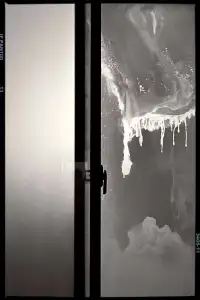
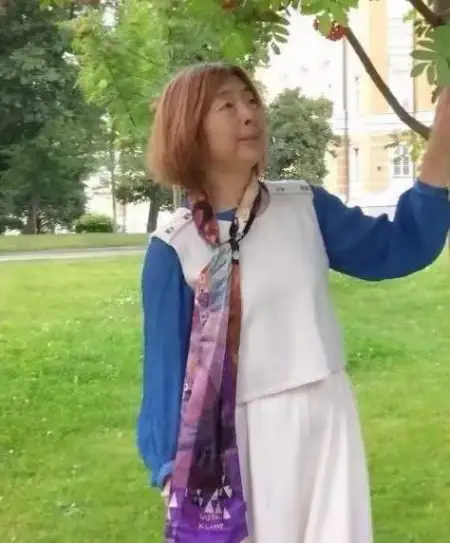

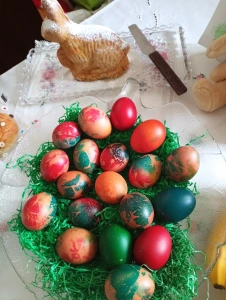




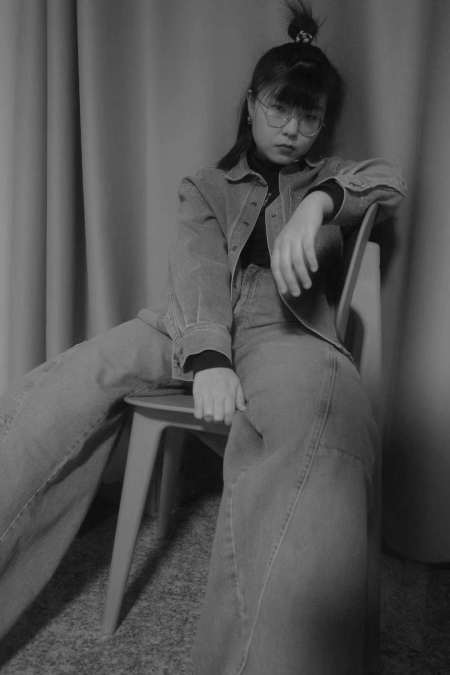
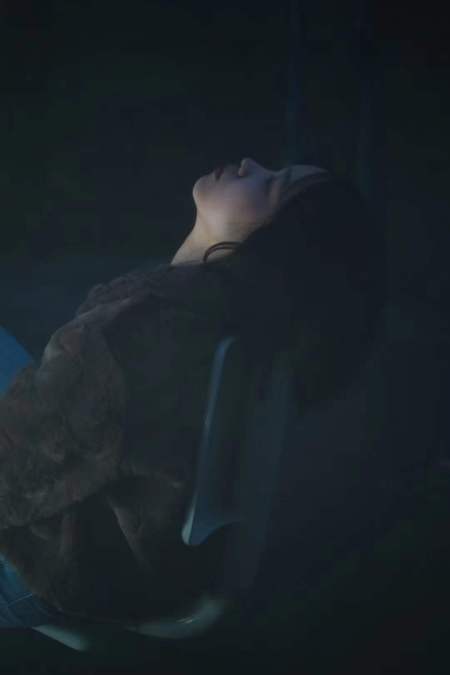
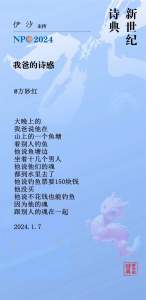
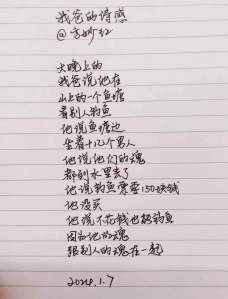
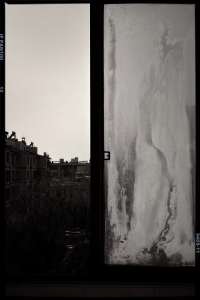
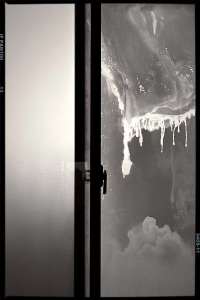
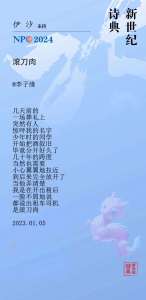
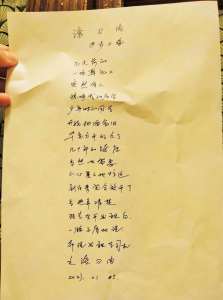
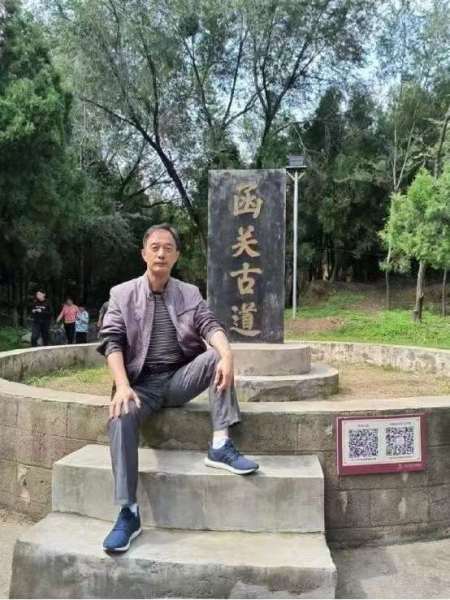
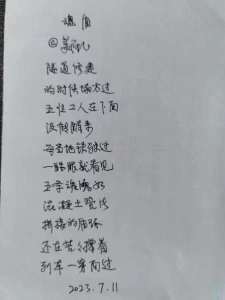
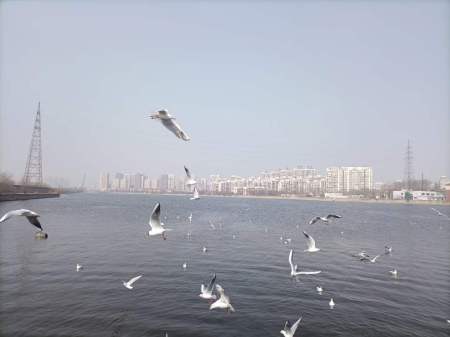
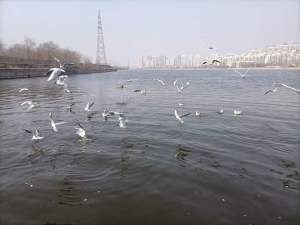
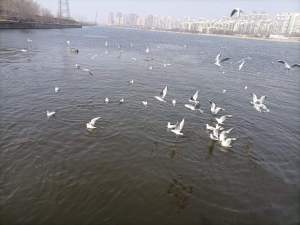
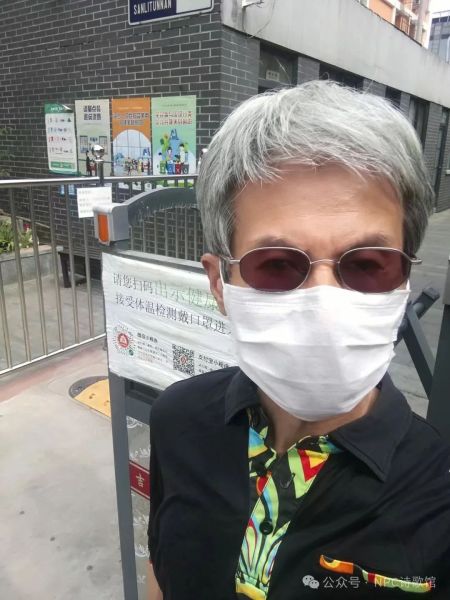
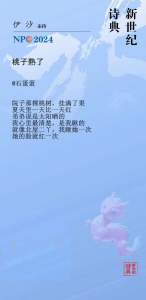
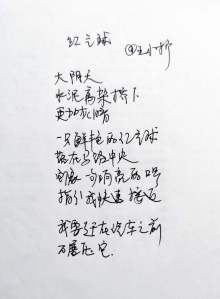
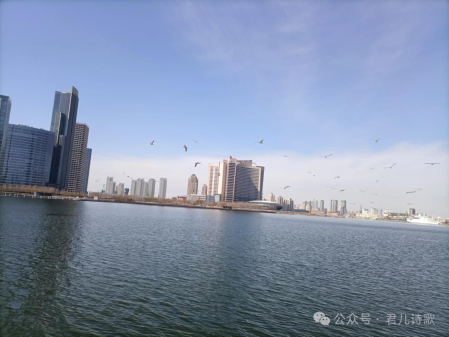
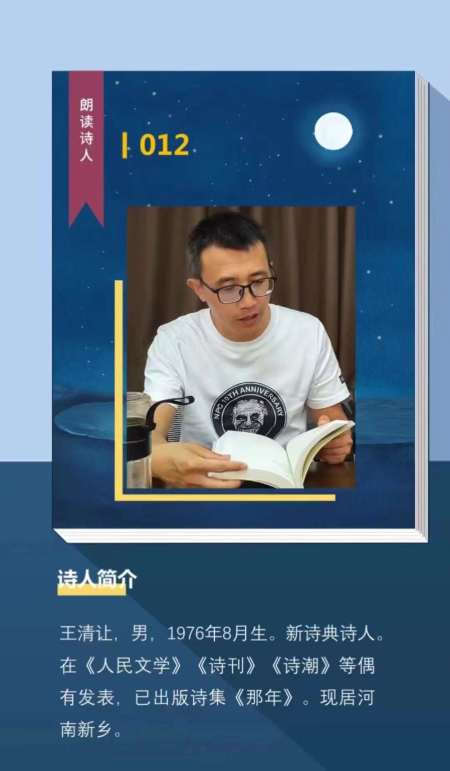
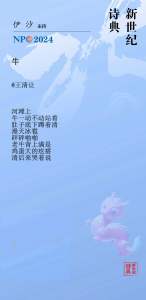
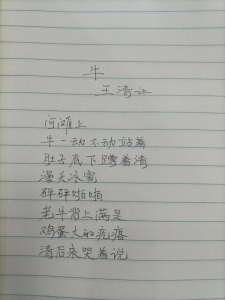

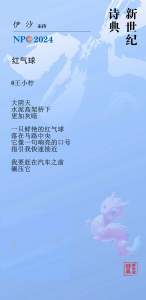
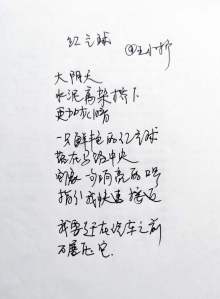
![信诗歌[33]|时代广场|阿吾、蒋雪峰、西毒何殇、山鸿、王有尾、黄开兵、陈衍强、余毒、姚彬、李伟、朱创、鬼石、起子作品](https://erguotou.files.wordpress.com/2024/03/640.jpg?w=450)
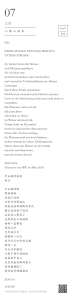
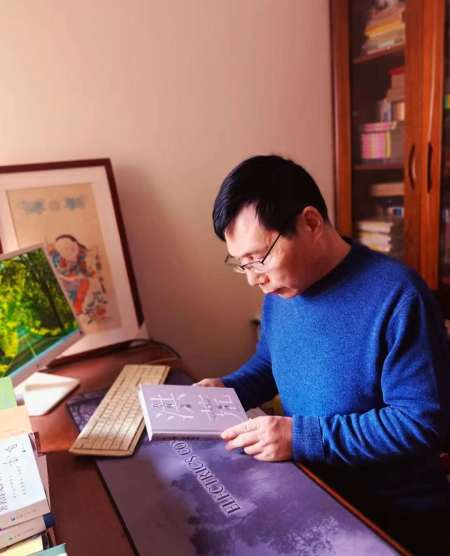
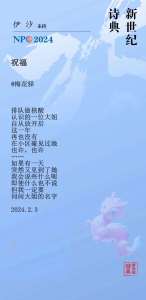

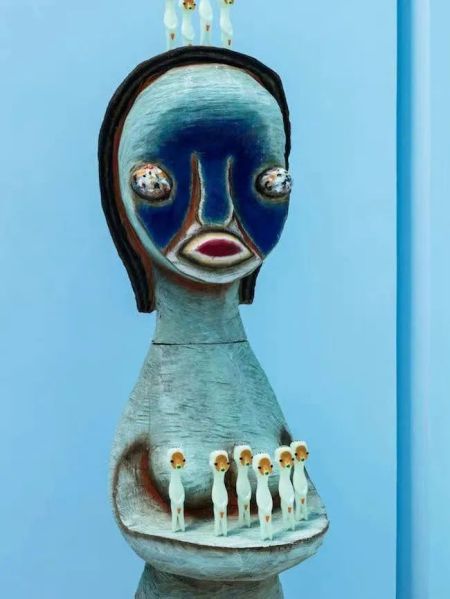
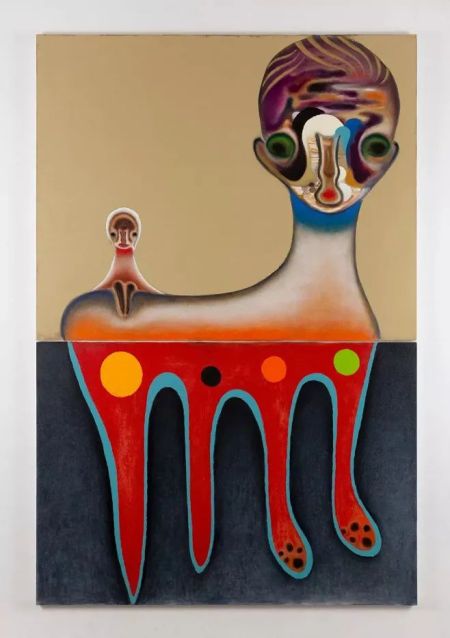
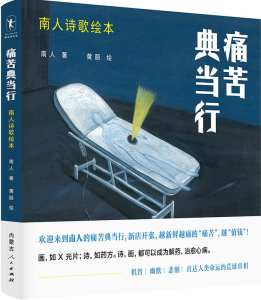
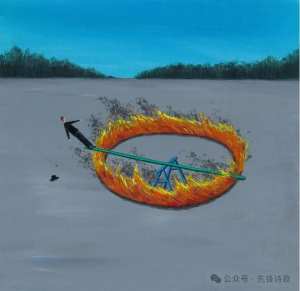
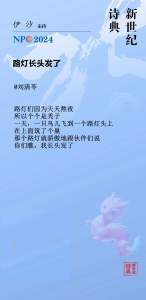
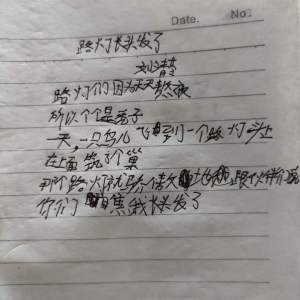
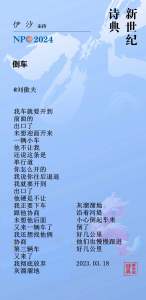
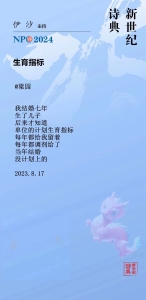
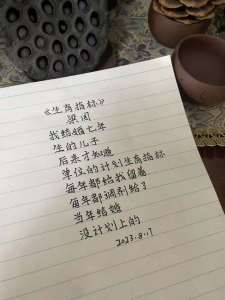
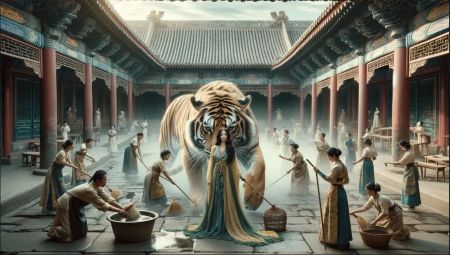
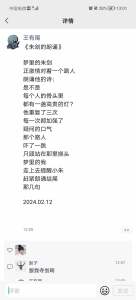
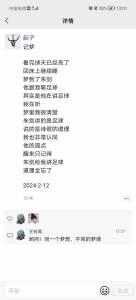
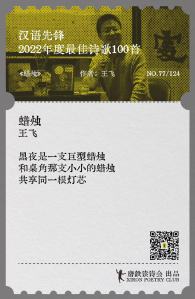
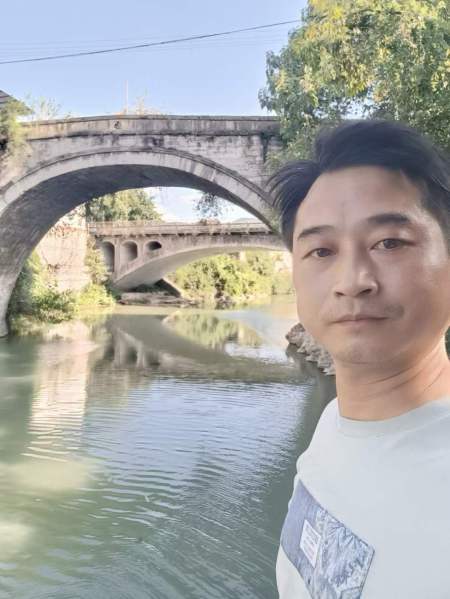
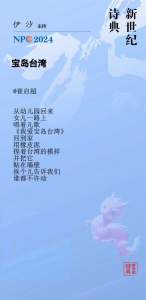
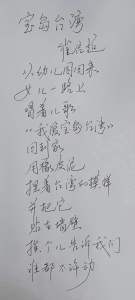
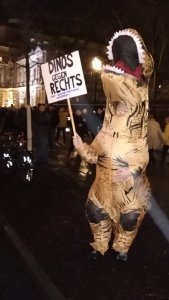
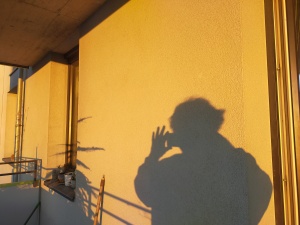
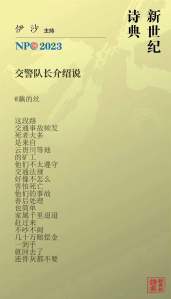
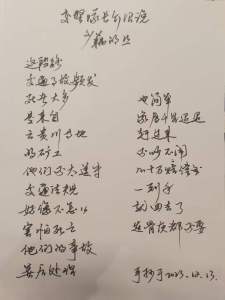
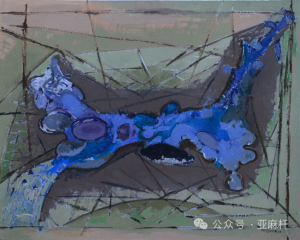
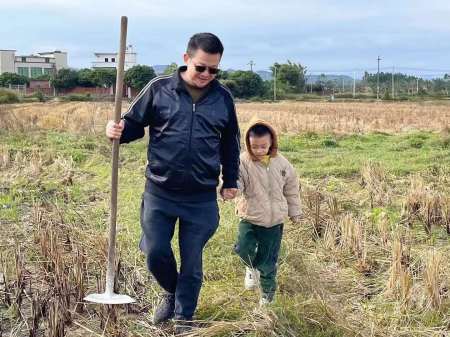
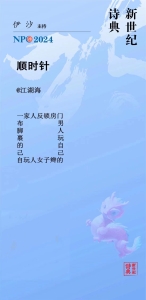
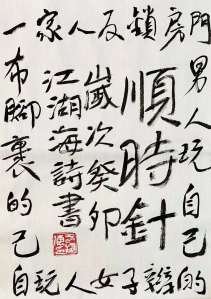
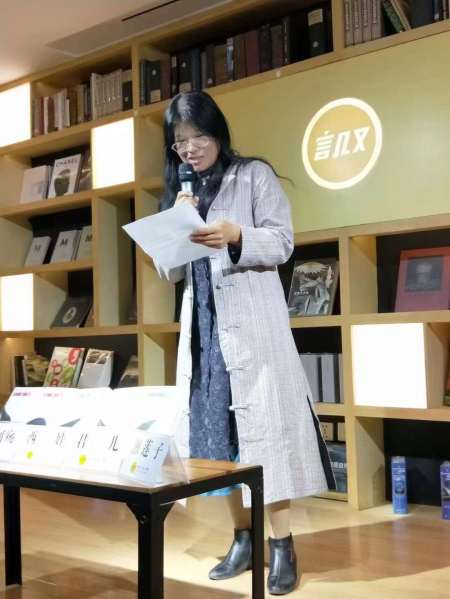
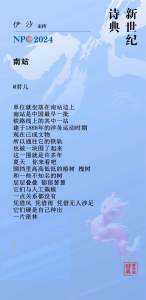
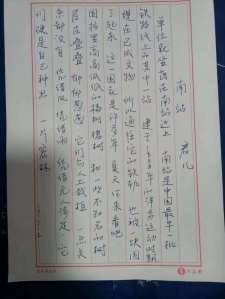
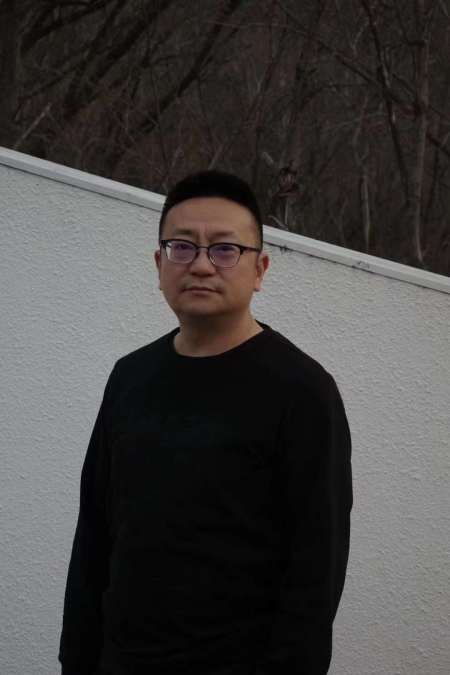
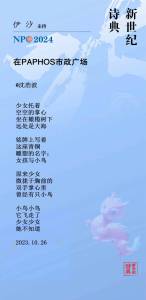
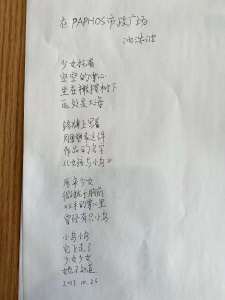
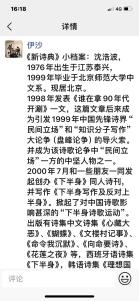
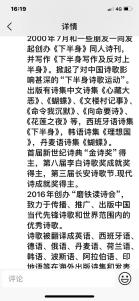
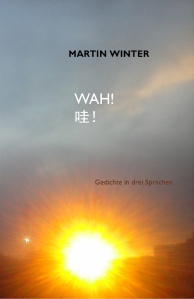
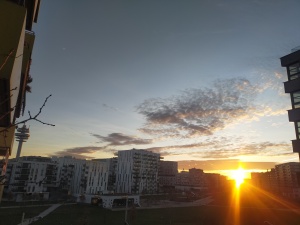
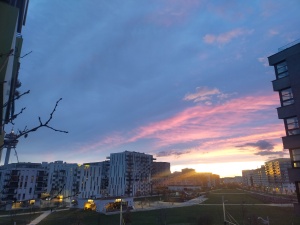

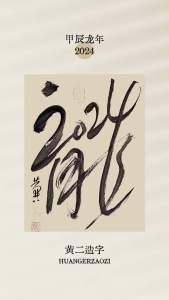
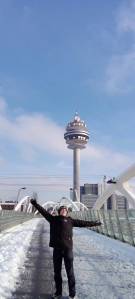
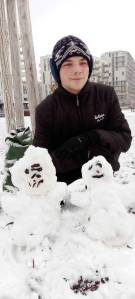
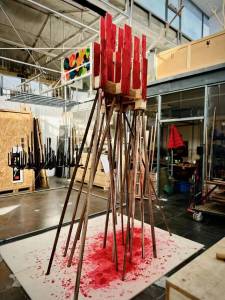
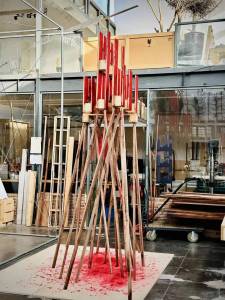
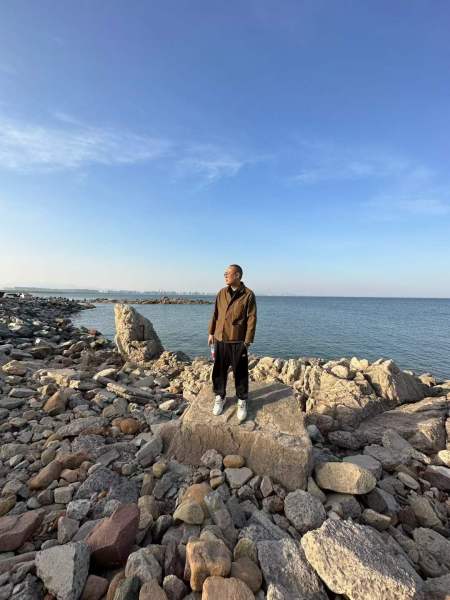
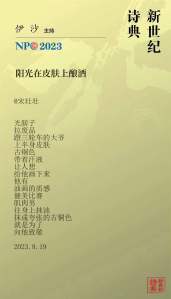
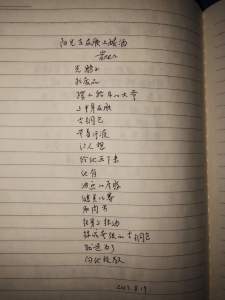
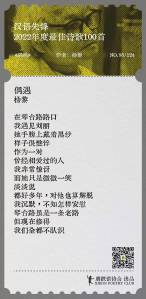
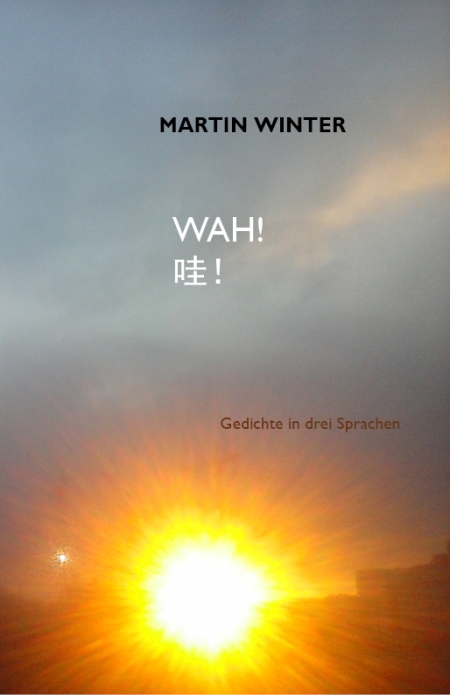
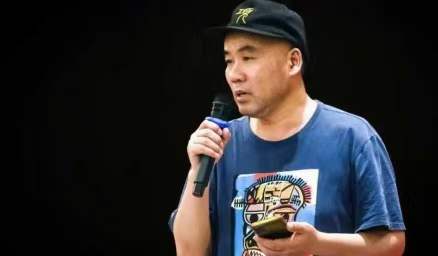
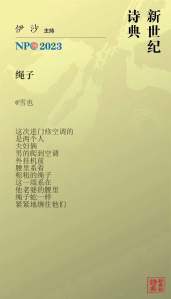
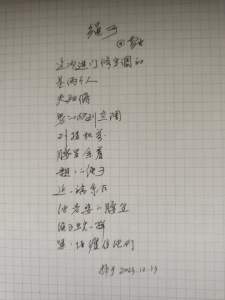
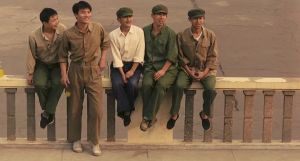
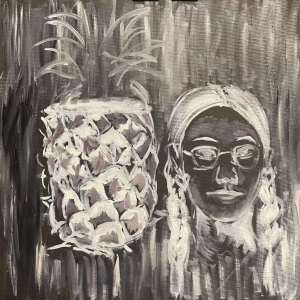
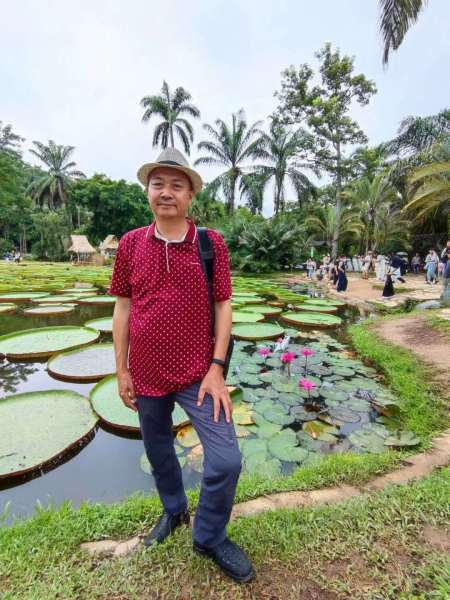
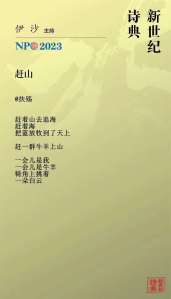
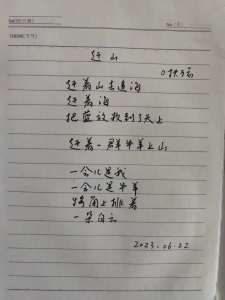
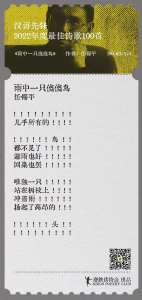
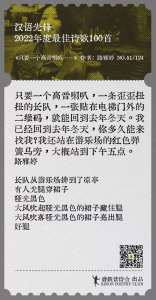
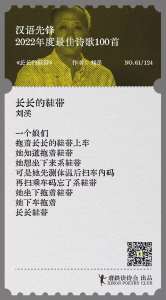
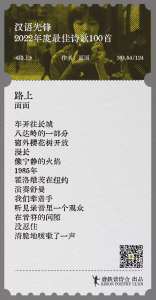
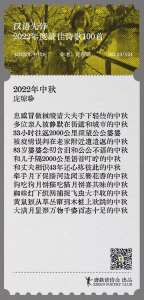
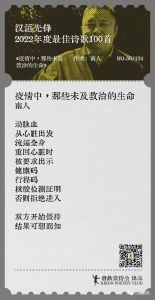
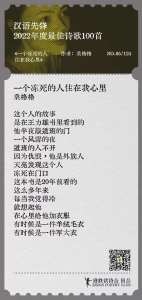
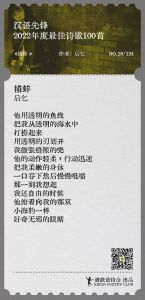
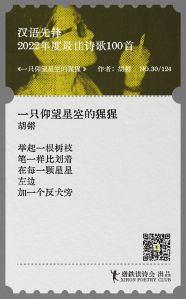
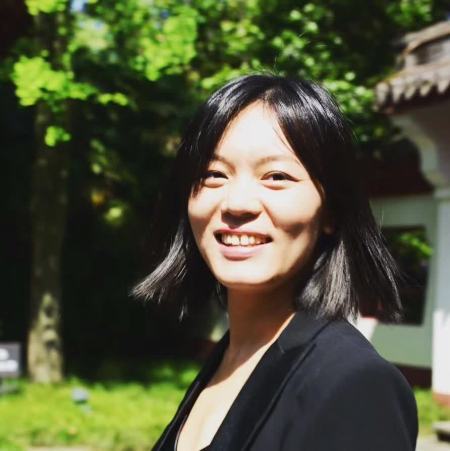
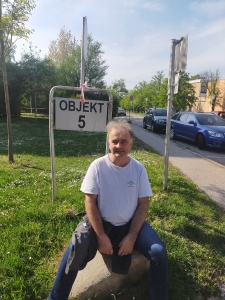
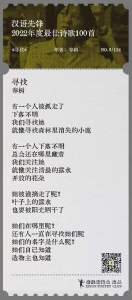
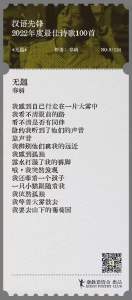
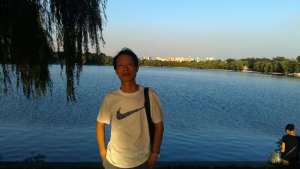
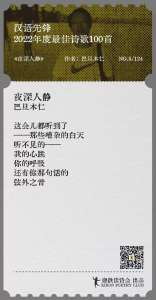
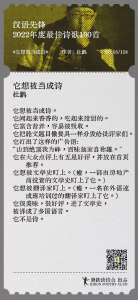
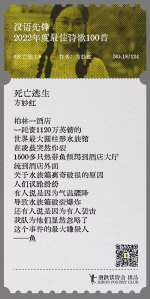

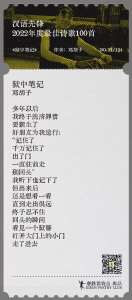
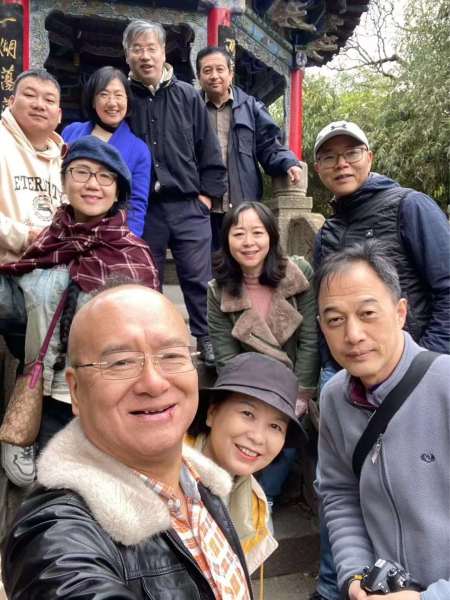
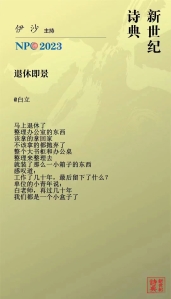
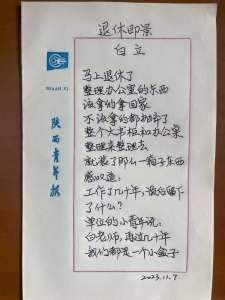
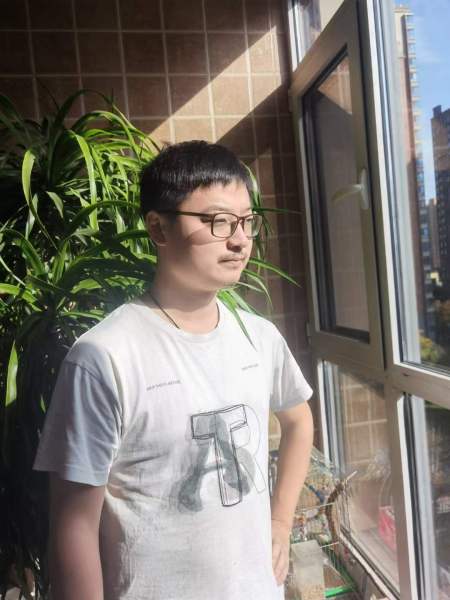
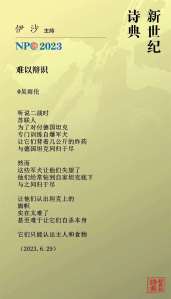
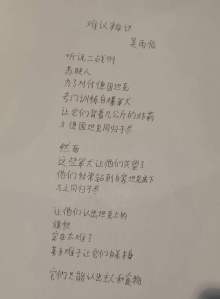
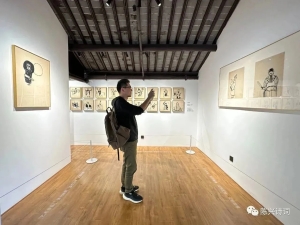
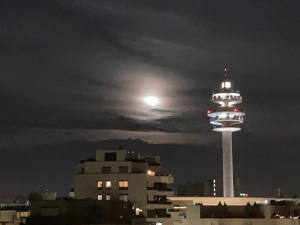
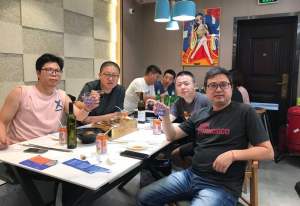
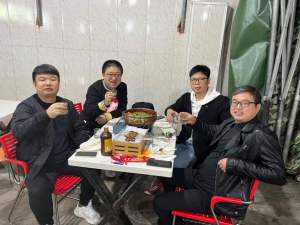
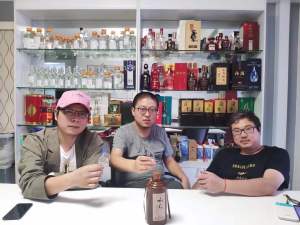
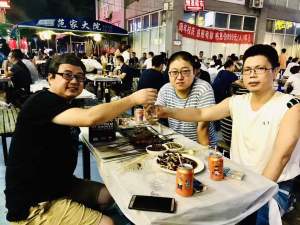
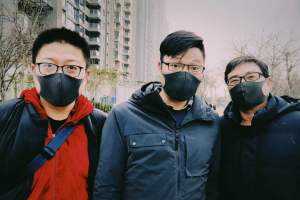
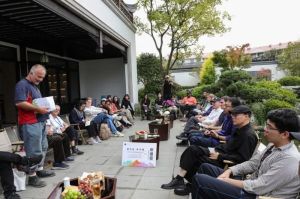
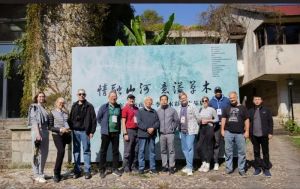
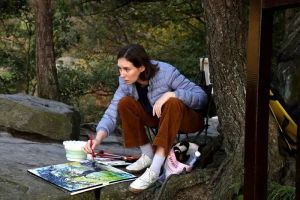
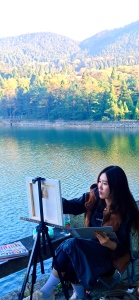
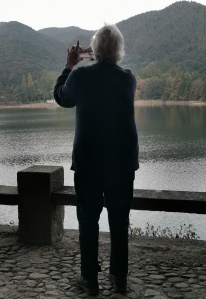
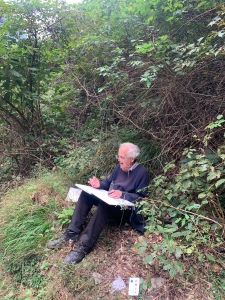
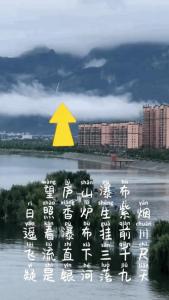
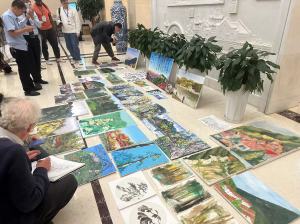
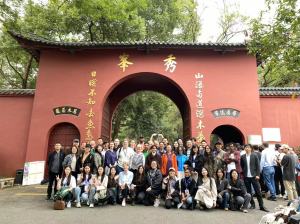
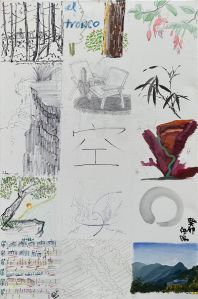
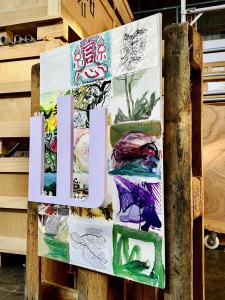
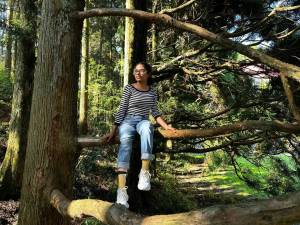
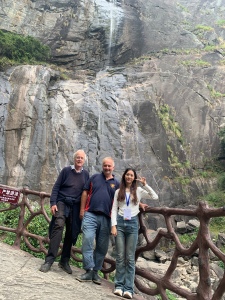
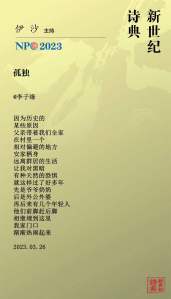
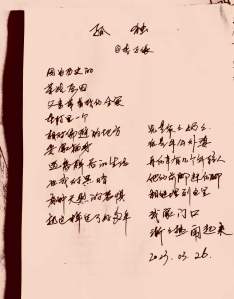
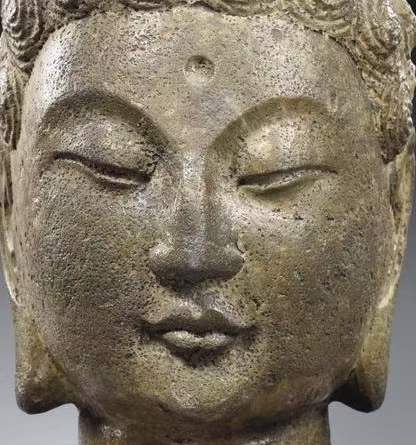
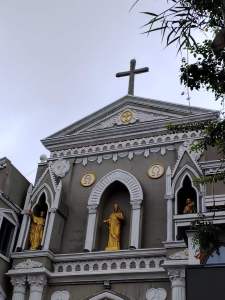
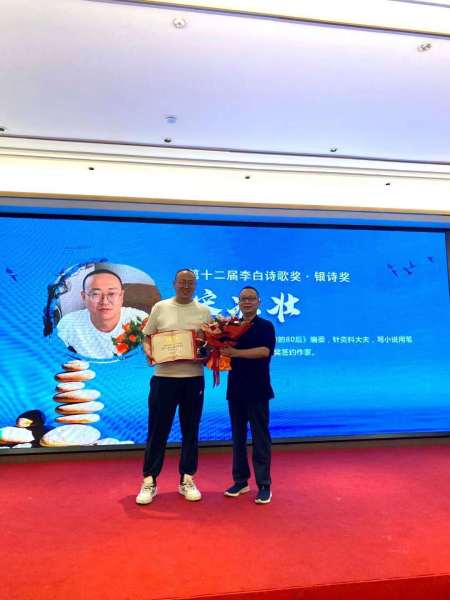
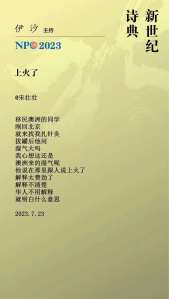
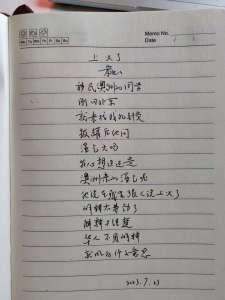
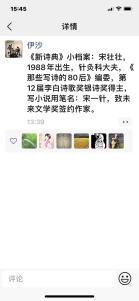
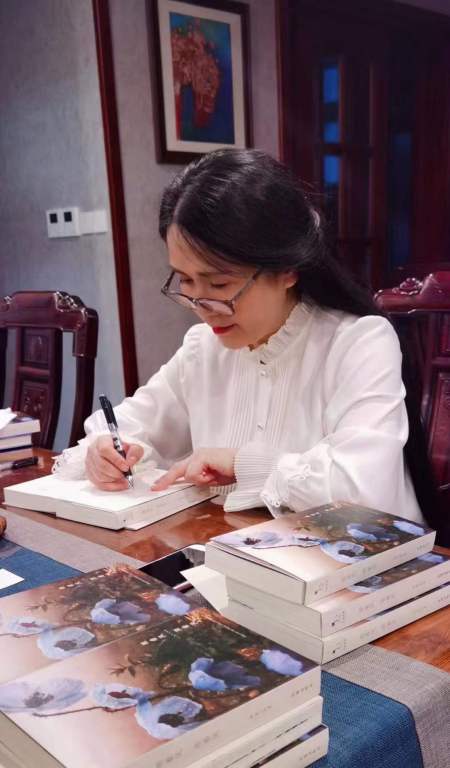
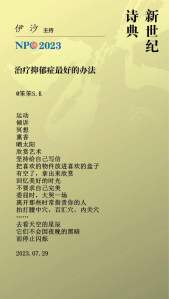
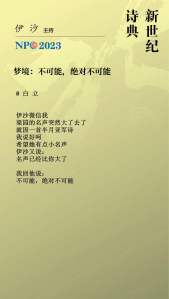
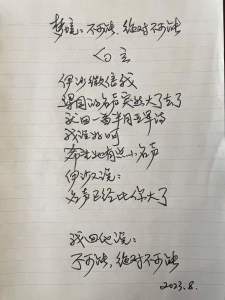
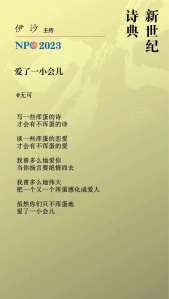
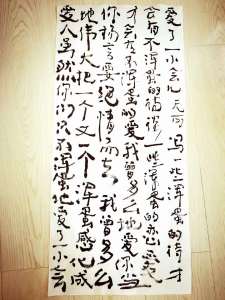
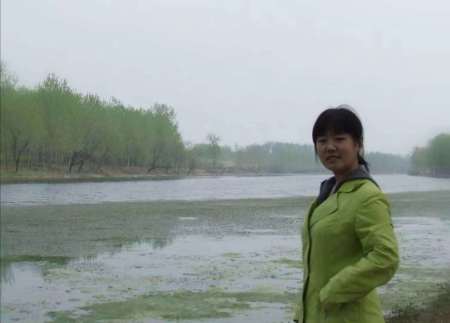
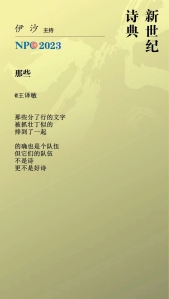
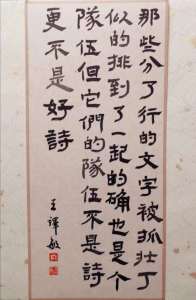
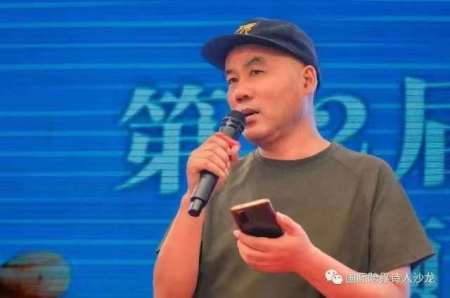
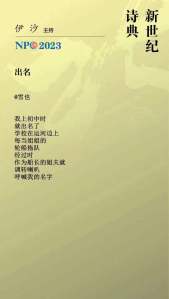
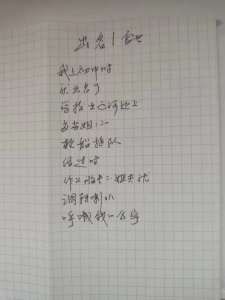
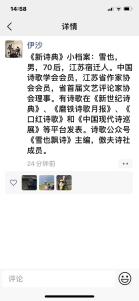
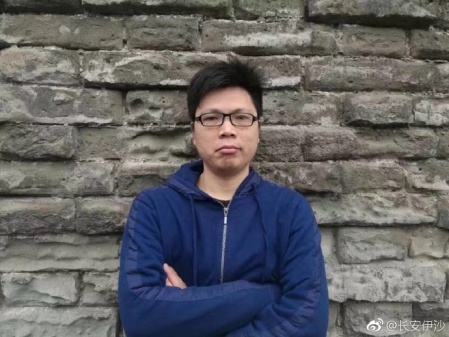
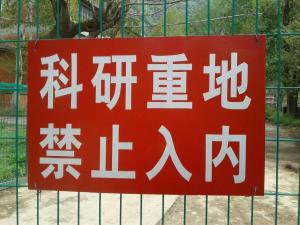
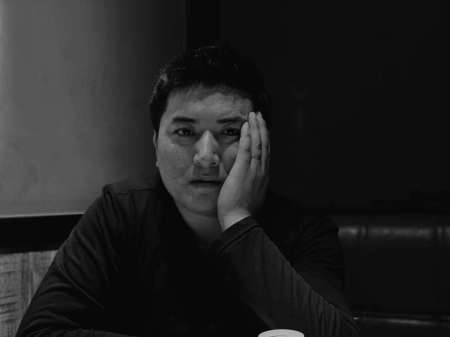
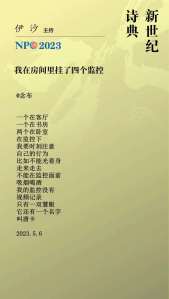
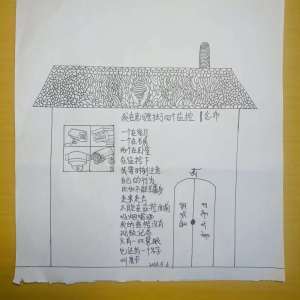
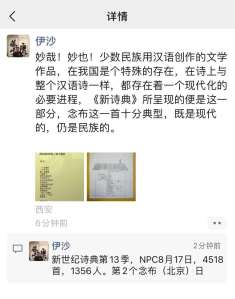
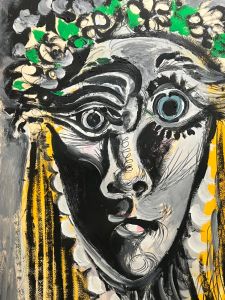
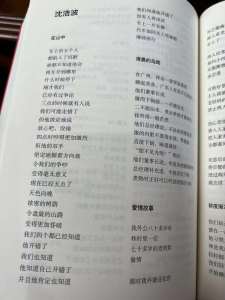
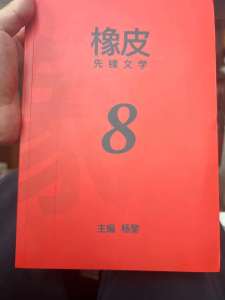
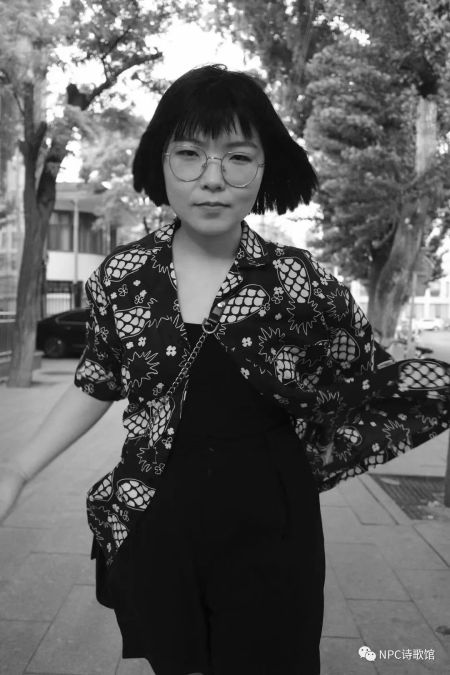
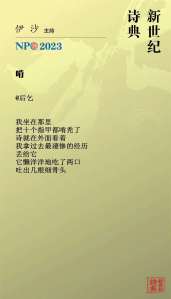
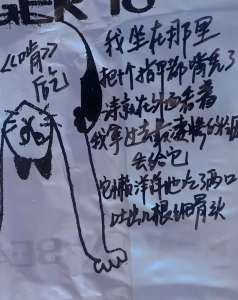
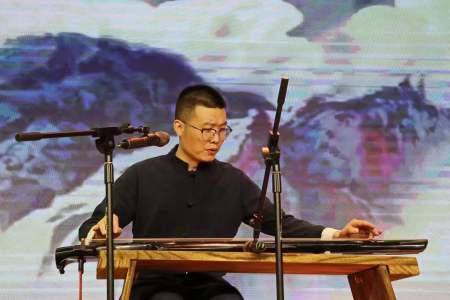
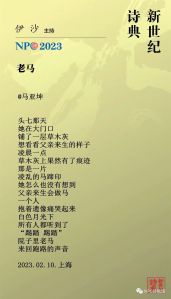
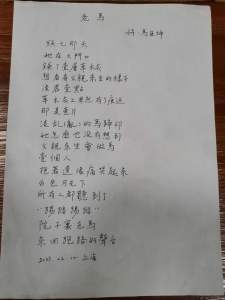
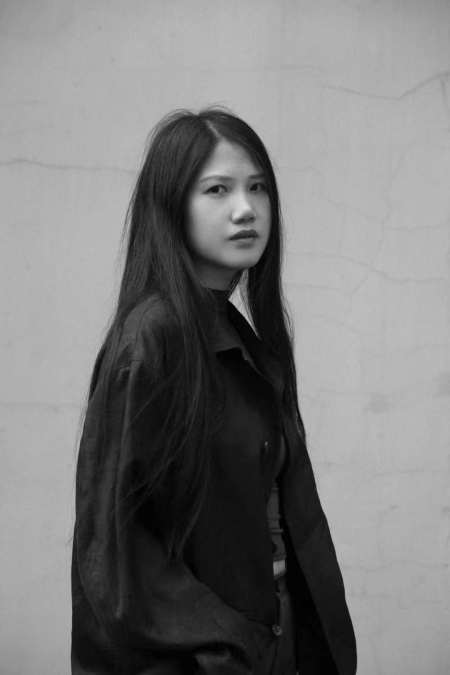
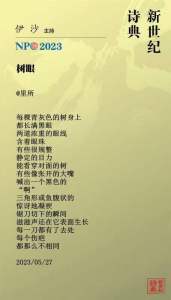
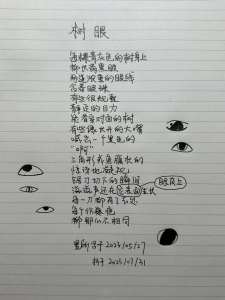
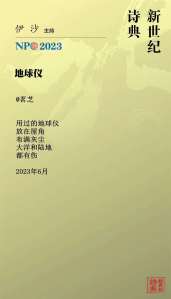
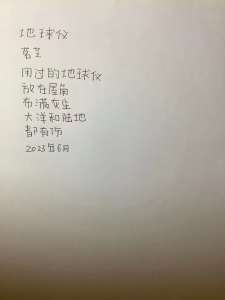
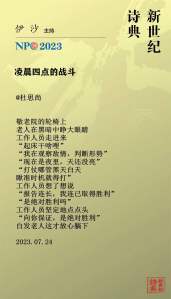
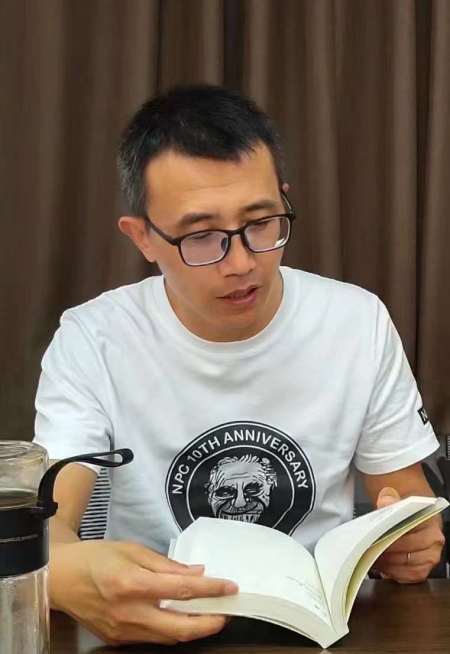
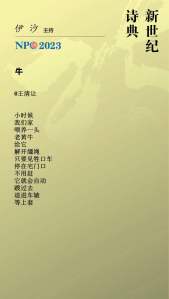
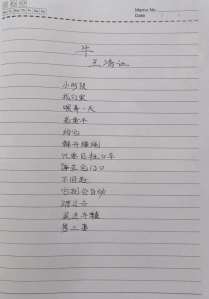
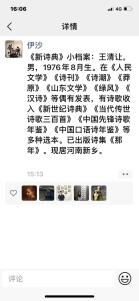
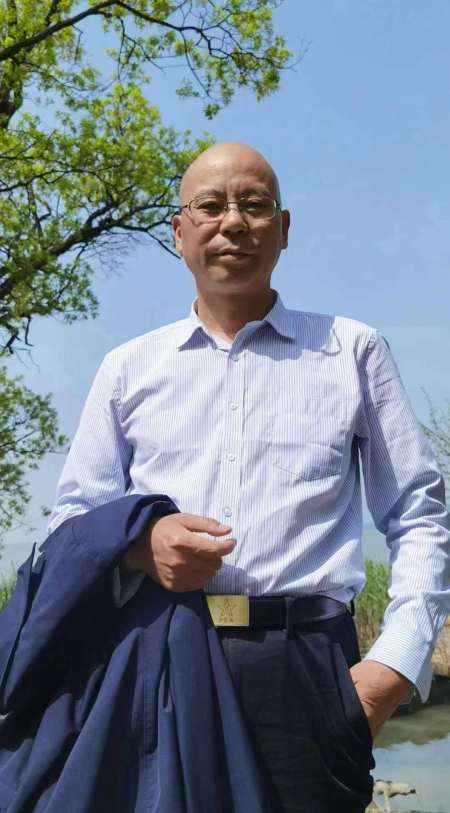
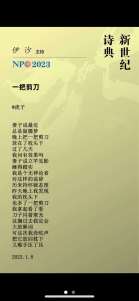
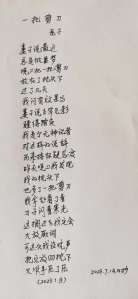

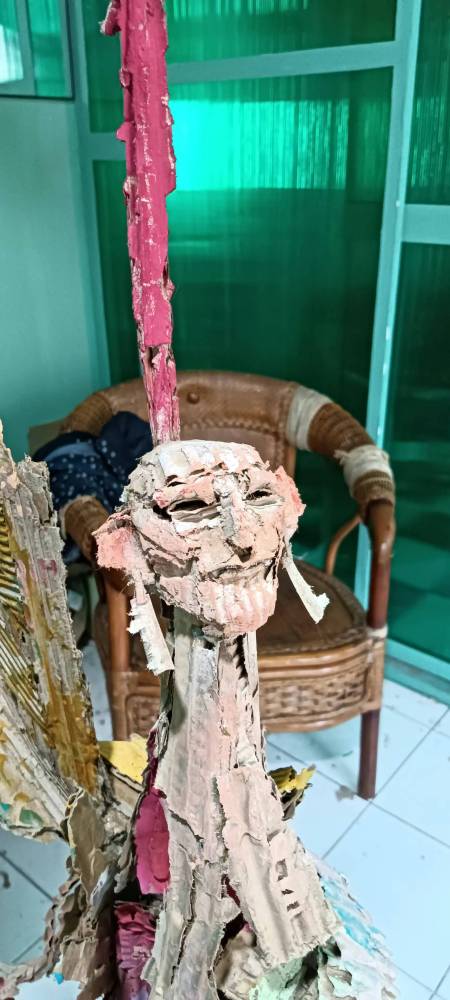

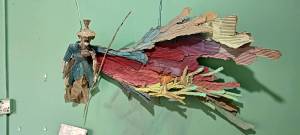
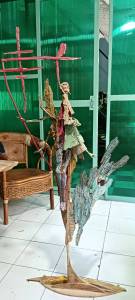
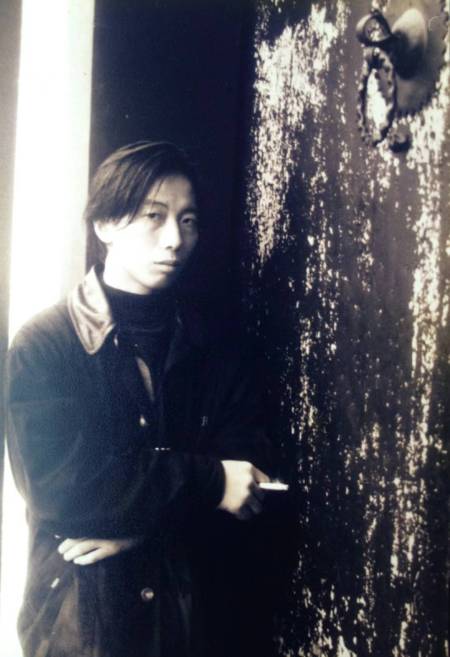
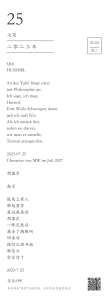
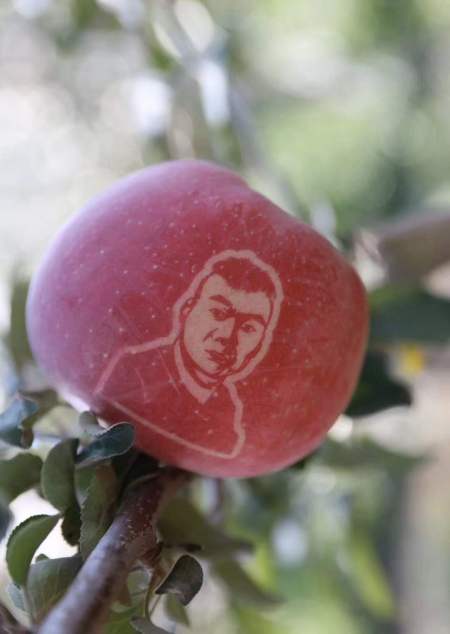
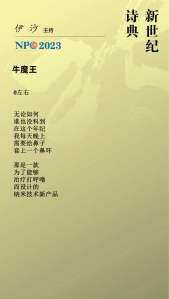
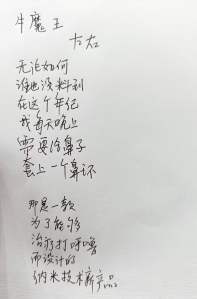
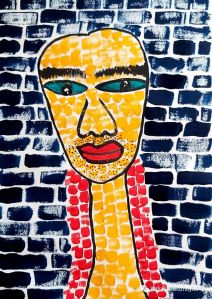
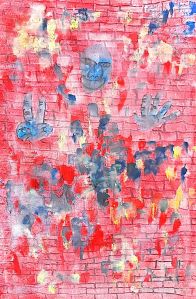
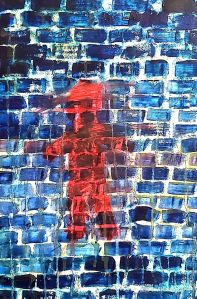
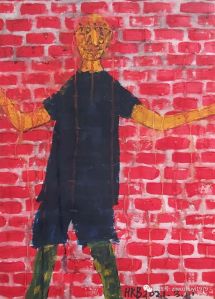
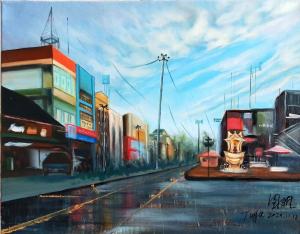
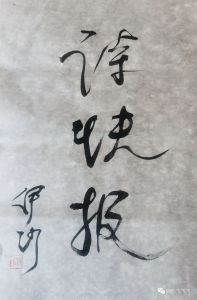
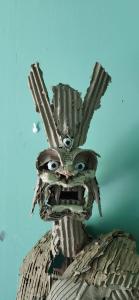
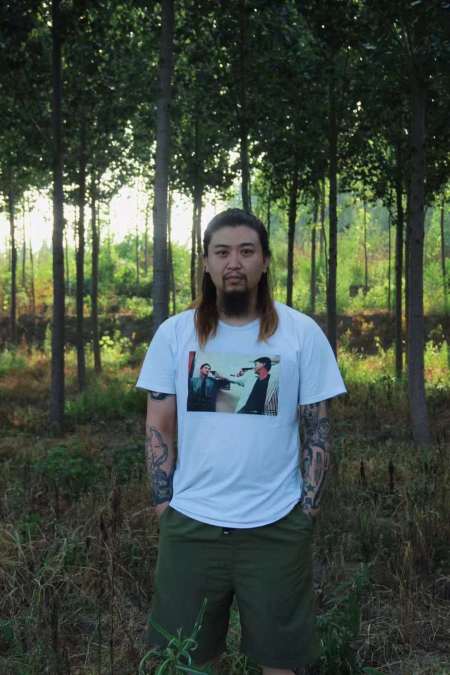
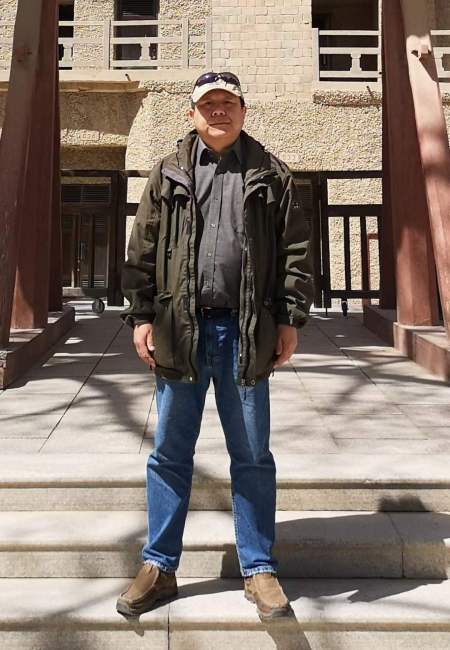
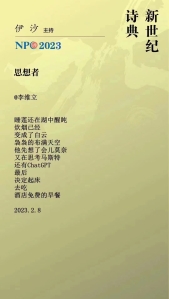
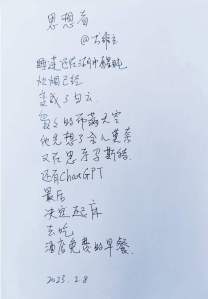
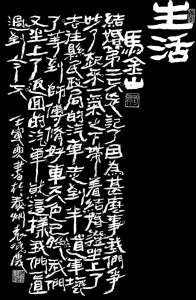
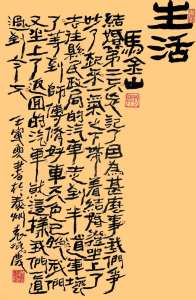
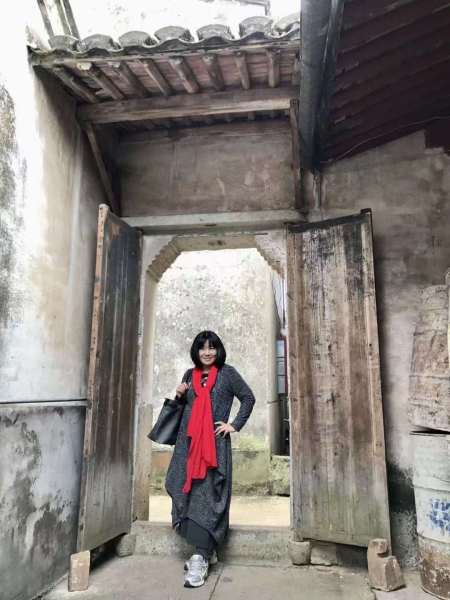
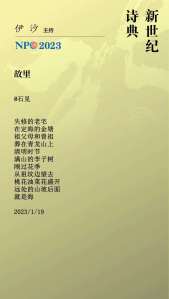
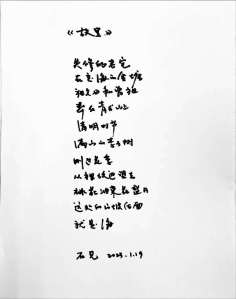
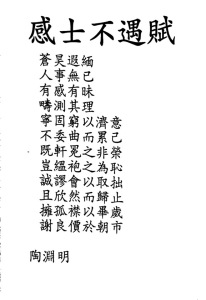
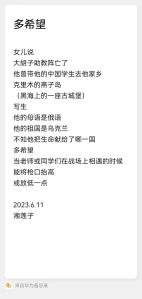
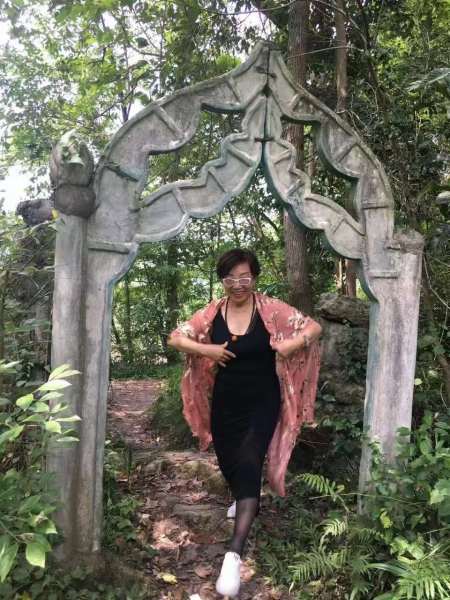
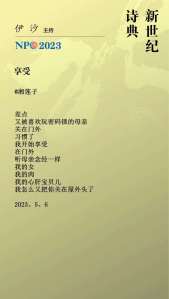
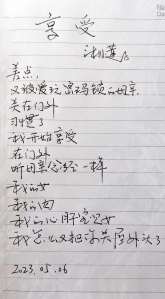
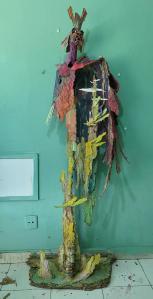
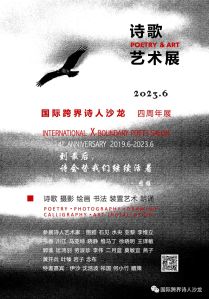
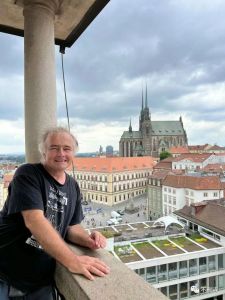
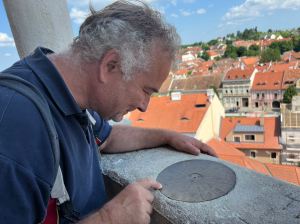
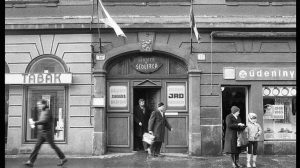
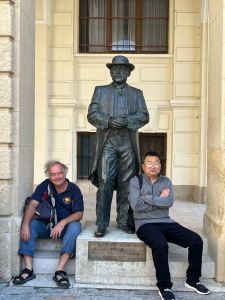
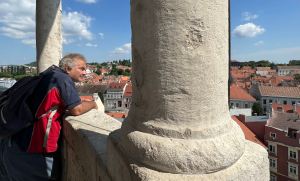
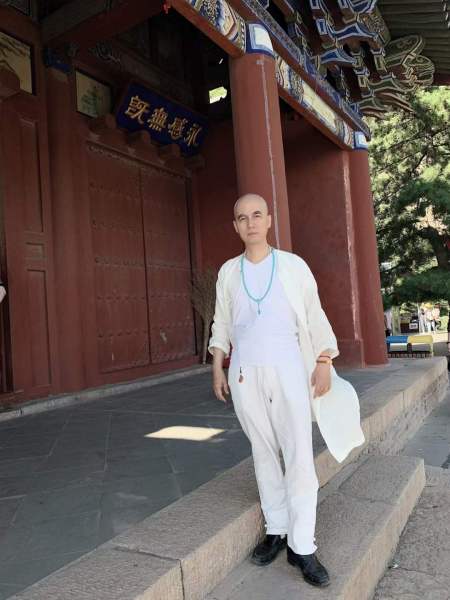
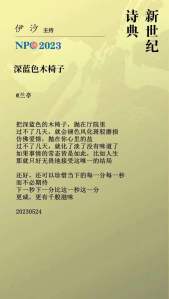
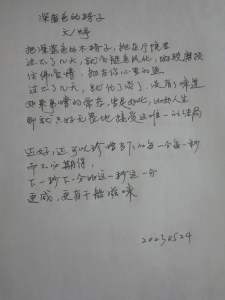
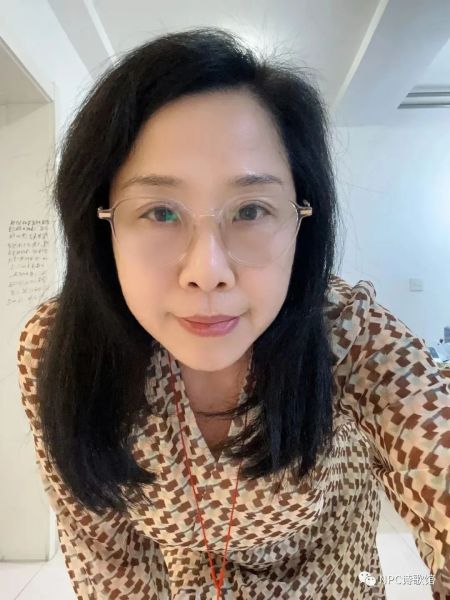
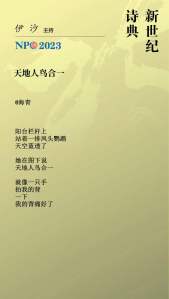
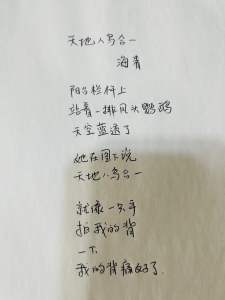
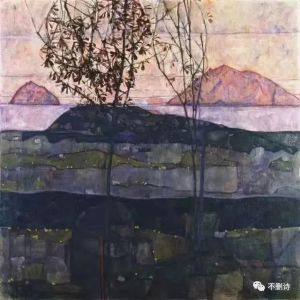
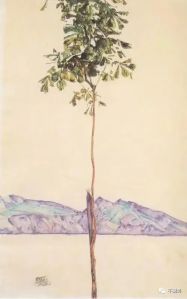
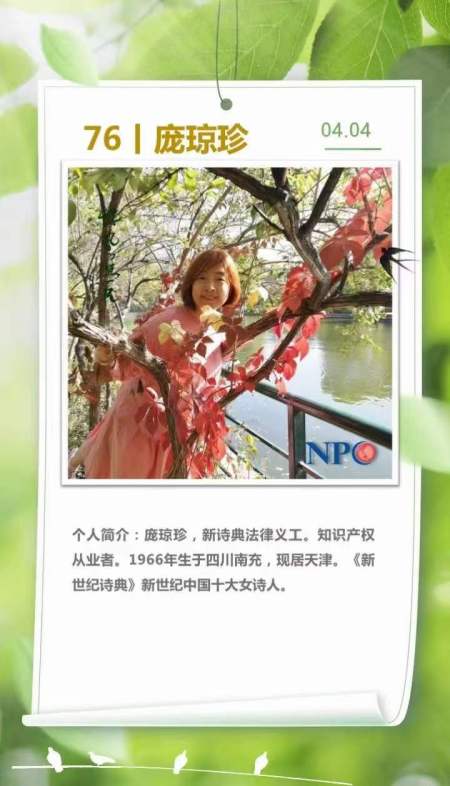
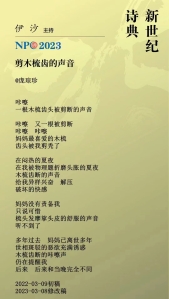
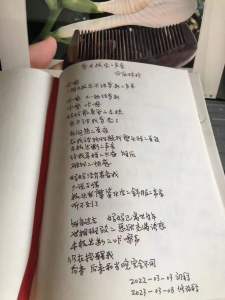
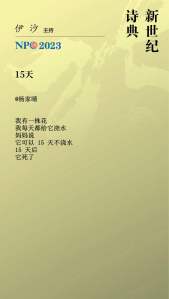
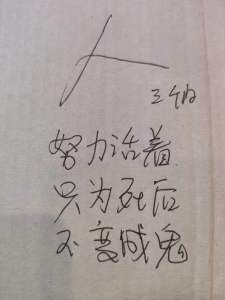
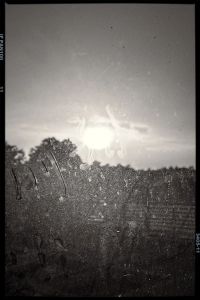
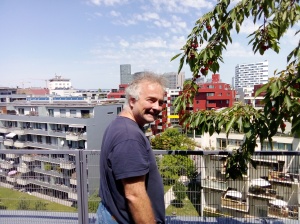
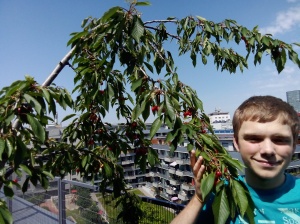
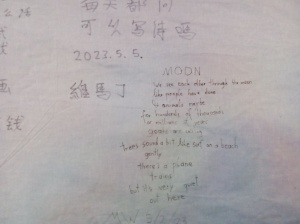
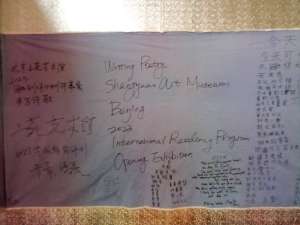
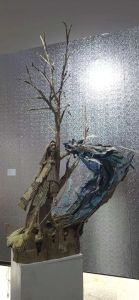
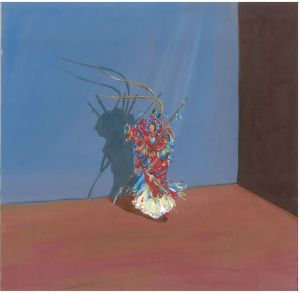
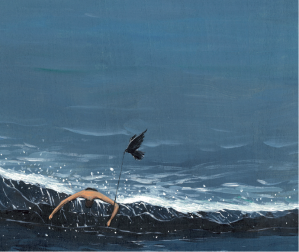
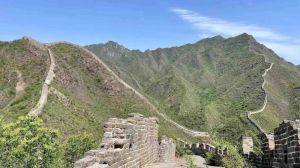
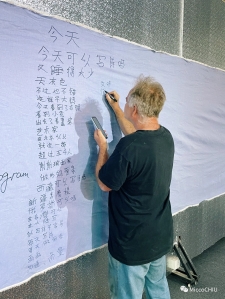
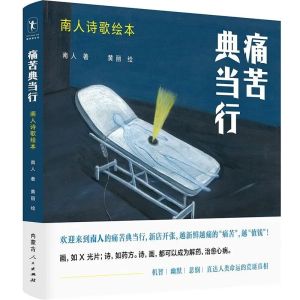
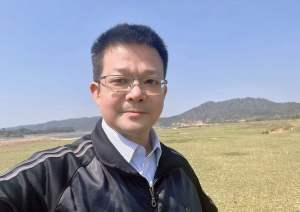
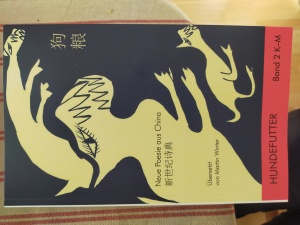
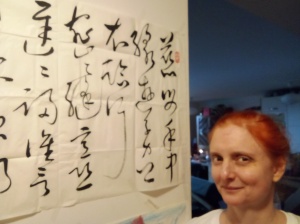
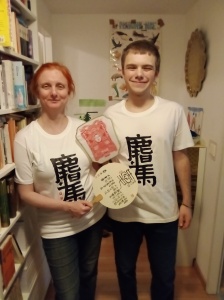
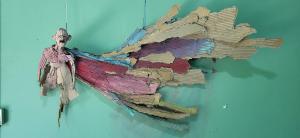
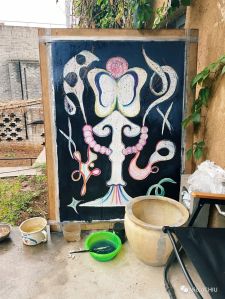
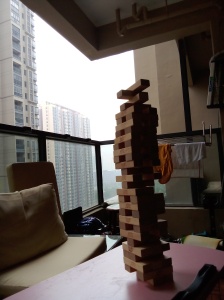
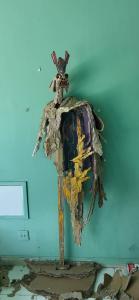
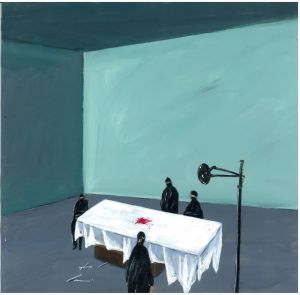
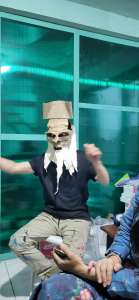
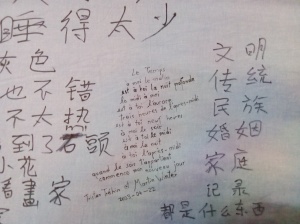
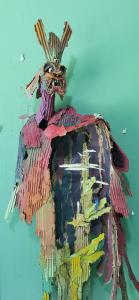
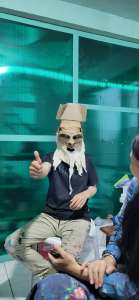
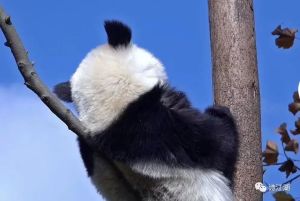
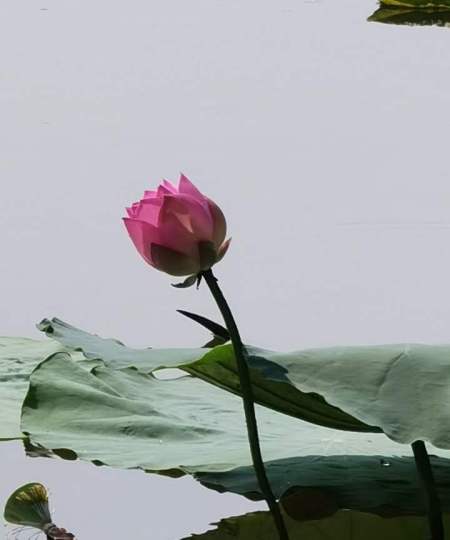
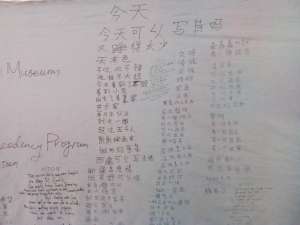
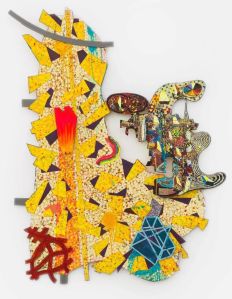
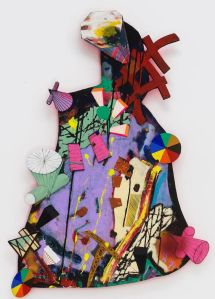
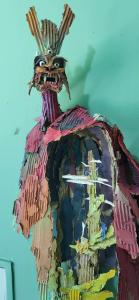
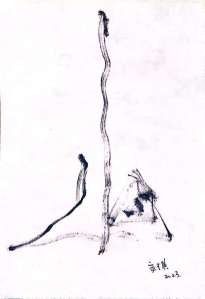
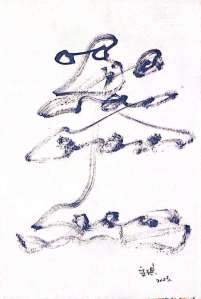
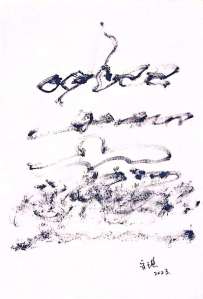
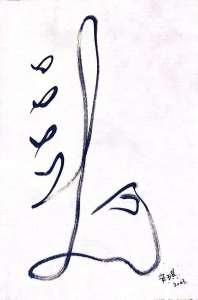
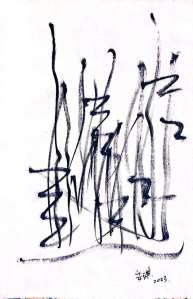
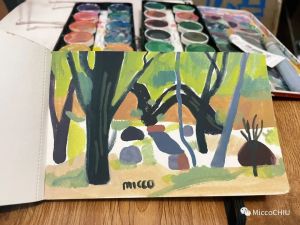
 中国大好き
中国大好き 